


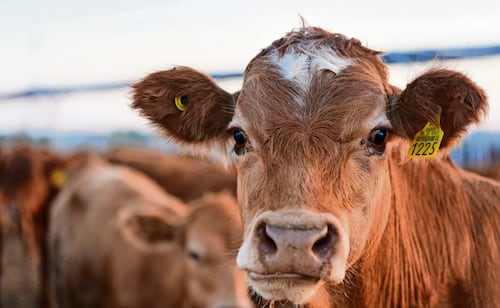
Mexico-U.S. border reopens to live cattle, price hikes expected
Translated from Spanish, summarized and contextualized by DistantNews.
At a glance
News
Named sources
Ongoing story
- Mexico's border crossing for live cattle to the U.S. at Agua Prieta-Douglas is set to reopen Monday after a closure since May due to the screwworm.
- Analysts predict price increases for Mexican cattle producers, with lean cattle rising 1-3%, fat cattle 3-5%, and carcass meat 1-2%.
- While live cattle exports resume, exporters anticipate maintaining high volumes of processed beef exports, which compensated for losses during the border closure.
Mexico's border crossing for live cattle to the United States at Agua Prieta-Douglas is scheduled to reopen on Monday, ending a closure that began in May due to the presence of the screwworm. The reopening is expected to alter the dynamics of the meat trade.
Although live calf producers lost significant income due to the impossibility of crossing live cattle, processors and exporters of processed meat balanced the commercial trade by selling cuts with higher added value.
The Grupo Consultor de Mercados Agrícolas (GCMA) forecasts price increases for producers. They estimate lean cattle could become 1% to 3% more expensive, fat cattle between 3% and 5%, and carcass meat 1% to 2%. However, the GCMA cautioned that the reopening could be delayed, paused, or reversed if screwworm risks increase, especially after a recent case was reported in Alamos, Sonora.
Despite the resumption of live cattle exports, the National Association of Federally Inspected Establishments (ANETIF) indicated that growing exports of processed beef to the U.S. during the border closure helped balance the commercial trade. These exporters plan to maintain current levels. ANETIF noted that while live cattle producers faced significant income losses, packers and processed meat exporters compensated by selling higher value-added cuts.
The gradual reopening of U.S. borders to Mexican live cattle will alter the dynamics of the meat trade, but it will not necessarily cause processed beef exports to plummet.
During the first half of the year, Mexico exported 164,821 tons of processed beef, a 24% increase compared to the same period last year, according to GCMA. The group believes that reactivating live calf shipments to U.S. feedlots will reduce the surplus of animals available for domestic processing. GCMA anticipates that the "extraordinary growth" in processed meat exports will likely stabilize or moderate its growth rate.
The extraordinary growth of processed meat will tend to stabilize or moderate its growth rate.
DistantNews Editorial
Originally published by El Universal in Spanish. Translated, summarized, and contextualized by our editorial team with added local perspective. Read our editorial standards.
More Stories



From Our Blog

What Press Freedom Means for the News You Read

What Gets Lost (and Found) When News Is Translated

The Critical Role of Diaspora Media in Global News

What Travellers Should Know About Countries with Restricted Press

A Digital Nomad's Guide to Following Local News
