

Mexico Warns of Betting Scams Ahead of 2026 World Cup
Translated from Spanish, summarized and contextualized by DistantNews.
At a glance
News
Official statement
Context piece
- Mexican authorities are warning citizens about potential fraud related to sports betting and online activities during the 2026 World Cup.
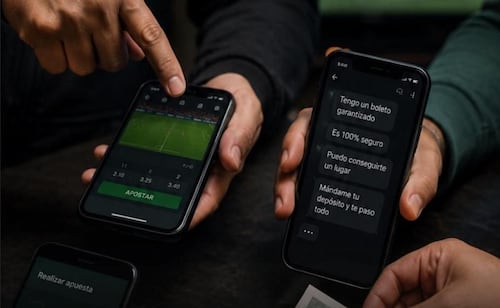
- Cybercriminals are creating fake betting platforms and using deceptive promotions to lure unsuspecting fans.
- Recommendations include verifying platform legality, using secure connections, and avoiding suspicious links or offers.
As the 2026 FIFA World Cup approaches, Mexican authorities are issuing a strong warning against a surge in online fraud targeting sports betting, ticket purchases, and travel bookings. The Secretariat of Security and Citizen Protection (SSPC) and the Citizen Security Secretariat of Mexico City are urging the public to exercise extreme caution.
Cybercriminals are reportedly creating sophisticated fake websites and applications, mimicking legitimate betting platforms. They are also employing misleading promotions, offering extraordinary bonuses, "guaranteed" predictions, or unrealistic returns to attract individuals seeking quick profits during the tournament. These fraudulent sites often imitate well-known companies to trick users into providing personal documents and bank card details, jeopardizing digital identity and financial assets.
Authorities emphasize the importance of verifying that betting platforms possess legal authorization and robust security mechanisms before registering or depositing funds. They advise against accessing sites through links received via email, text messages, or social media. Instead, users should directly type the official platform address into their browser.
Key recommendations include scrutinizing offers for guaranteed winnings, avoiding sharing personal or banking information on unverified pages, and ensuring websites use secure protocols (indicated by "https://" and a padlock icon). Keeping operating systems, browsers, and antivirus software updated, and enabling two-factor authentication where available, are also crucial steps in protecting against digital fraud.
DistantNews Editorial
Originally published by El Universal in Spanish. Translated, summarized, and contextualized by our editorial team with added local perspective. Read our editorial standards.
More Stories

From Our Blog

What Press Freedom Means for the News You Read

What Gets Lost (and Found) When News Is Translated

The Critical Role of Diaspora Media in Global News

What Travellers Should Know About Countries with Restricted Press

A Digital Nomad's Guide to Following Local News
