

Miami judge allows mother's confession in autistic son's drowning case
Translated from Spanish, summarized and contextualized by DistantNews.
At a glance
News
Sources not specified
In the courts
- A judge ruled that Patricia Ripley's confession to drowning her autistic son can be presented at her murder trial in Miami.
- Ripley's defense argued she was sleep-deprived and coerced during interrogation, but the judge found she voluntarily waived her rights.
- Investigators believe Ripley may have been overwhelmed by the responsibilities of caring for her son.
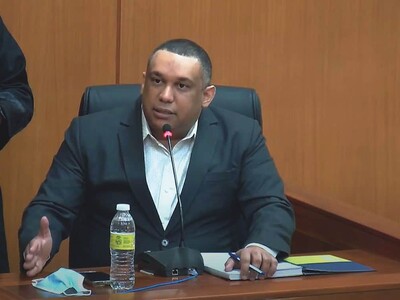
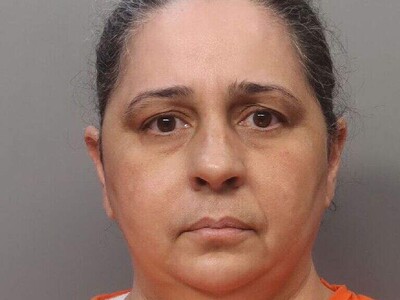
A Miami-Dade judge has ruled that the confession of Patricia Ripley, accused of drowning her nine-year-old autistic son, can be presented as evidence during her upcoming murder trial. Circuit Judge Marisa Tinkler Mendez determined that Ripley, 51, knowingly and voluntarily waived her rights when speaking with investigators about the disappearance and subsequent death of her son, Alejandro Ripley, on May 21, 2020.
The defense team had sought to exclude the confession, arguing that Ripley was sleep-deprived and subjected to a coercive interrogation. They claimed she had been awake for approximately 30 hours and that detectives appealed to her Christian beliefs to pressure her into revealing what happened. However, Judge Tinkler Mendez reviewed interrogation recordings and concluded that Ripley did not appear physically or mentally exhausted and was not coerced by investigators, according to the Miami Herald.
Ripley, 51, knowingly and voluntarily waived her rights when she spoke with investigators about the disappearance and subsequent death of her son Alejandro Ripley.
Judge Tinkler Mendez also noted that Ripley had suffered from insomnia for years and was accustomed to functioning on little sleep due to the demands of caring for Alejandro. The judge found that Ripley remained cooperative for several hours during the interrogation, and her account of events remained consistent until detectives confronted her with a video allegedly showing her pushing her son into a canal. It was at this point that Ripley confessed to killing the child.
Ripley did not appear to be physically or mentally exhausted and was not coerced by investigators.
"In fact, it was Mrs. Ripley who, upon reporting the child missing, initiated contact with the Police," the judge explained. Her status shifted from a grieving mother to a suspect when investigators could not corroborate her story of a kidnapping. On the day of Alejandro's death, Ripley had called 911 claiming two Black men had abducted the child after forcing her off the road. Authorities issued an Amber Alert, but Alejandro's body was found the next day in a canal near the Miccosukee Golf & Country Club, miles from Ripley's stated location of the alleged abduction.
Alejandro, who had severe autism, could not speak and attended a special needs school. Investigators suggest that the immense responsibilities associated with his care may have overwhelmed Ripley. The child was found wearing a Captain America t-shirt and diapers.
In fact, it was Mrs. Ripley who, upon reporting the child missing, initiated contact with the Police.
DistantNews Editorial
Originally published by Diario Libre in Spanish. Translated, summarized, and contextualized by our editorial team with added local perspective. Read our editorial standards.
More Stories
From Our Blog

What Gets Lost (and Found) When News Is Translated

The Critical Role of Diaspora Media in Global News

What Travellers Should Know About Countries with Restricted Press

A Digital Nomad's Guide to Following Local News

How the Same Story Looks Different in Different Countries
