

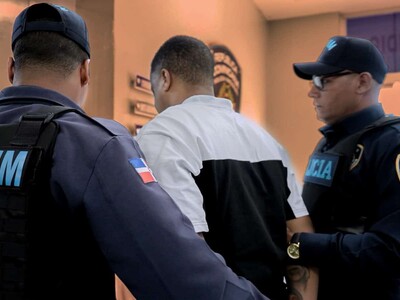
Dominican Republic Police Reform Trails Deployment Targets
Translated from Spanish, summarized and contextualized by DistantNews.
At a glance
News
Sources not specified
Ongoing story
- A new police service and patrol model in the Dominican Republic is behind schedule, with 149 out of 355 planned quadrants still inactive.
- The partial rollout is attributed to limitations in personnel, supervision, technology, and infrastructure, including a deficit of 149 motorcycles needed for consistent patrols.
- While police training is advancing, operational capacity is hindered by resource gaps, affecting the model's ability to sustain permanent police presence.
The Dominican Republic's ambitious police reform, the New Police Service and Patrol Model (MSPP), faces significant hurdles in its territorial deployment. Out of 355 planned quadrants, only 206 are currently active, leaving 149 yet to be implemented, according to internal baseline data. This partial rollout impacts the model's goal of transforming police-citizen relations.
The expansion, which began with a pilot in four departments and has since extended to 20 territories, also includes 232 police corridors, of which 153 are operational and 79 remain pending. The limited coverage stems from a range of issues beyond designated zones, including critical gaps in personnel, supervision, technology, and infrastructure, all of which condition the model's capacity for sustained operation.
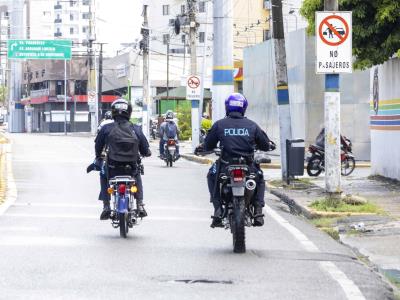
Mobility is a key concern, with a significant portion of the 291 allocated motorcycles needing maintenance or being out of service. Specifically, 58 motorcycles require basic upkeep, 50 are undergoing repairs or are non-operational, and 179 available units lack the institutional graphic design. This translates to a minimum deficit of 149 motorcycles, based on the requirement of one unit per quadrant, meaning that inclusion in the plan does not guarantee necessary resources for a permanent police presence.
While the training component shows progress, with over 5,000 police officers linked to the scheme and instructors trained through bilateral cooperation with Colombia, the operational reality highlights a persistent need for resources. The available data does not specify how many officers are assigned to each active quadrant, their distribution across shifts, or their permanent availability for patrols. This lack of clarity further complicates the effective implementation of the reformed policing model.
DistantNews Editorial
Originally published by Diario Libre in Spanish. Translated, summarized, and contextualized by our editorial team with added local perspective. Read our editorial standards.
More Stories

From Our Blog

What Gets Lost (and Found) When News Is Translated

The Critical Role of Diaspora Media in Global News

What Travellers Should Know About Countries with Restricted Press

A Digital Nomad's Guide to Following Local News

How the Same Story Looks Different in Different Countries
