

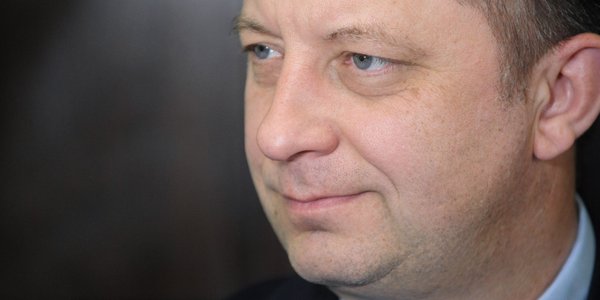
Michał Dworczyk: Ukrainian Short-sightedness is Terrifying
Translated from Polish, summarized and contextualized by DistantNews.
At a glance
Interview
Sources not specified
Context piece
- Former Polish official Michał Dworczyk expresses concern over Ukrainian "short-sightedness" regarding Poland's strategic importance.
- Dworczyk believes Ukraine's leadership no longer views Poland as a strategic partner, potentially leading to negative long-term consequences.
- He emphasizes that Poland's requests for historical reconciliation, particularly concerning the Volhynia massacre, are state obligations, not mere "gestures."
Michał Dworczyk, a former key figure in Poland's military aid to Ukraine, voiced deep concern over what he perceives as Ukrainian "short-sightedness" regarding Poland's role as a strategic partner. Dworczyk stated that he has not returned the orders awarded to him by the Ukrainian president, viewing them as a symbol of Polish gratitude for the significant aid provided to Ukraine, both in terms of military equipment and humanitarian support for millions of refugees.
"To this day, Poland is the country that has provided Ukraine with the most tanks and heavy equipment," Dworczyk asserted, highlighting Poland's unparalleled military assistance in the initial stages of the war, which he believes enabled Ukraine's defense and the successful Kharkiv counteroffensive. He suggested that the current crisis in Polish-Ukrainian relations, exacerbated by historical disputes surrounding the UPA (Ukrainian Insurgent Army), stems from a deliberate decision by Ukraine's highest authorities to declassify Poland as a strategic partner.
To this day, Poland is the country that has provided Ukraine with the most tanks and heavy equipment.
Dworczyk argued that Ukraine's focus on other "strategic choices" risks long-term negative consequences for Kyiv. He dismissed claims from Kyiv that Poland's demands for historical reconciliation, particularly regarding the exhumation and burial of victims of the Volhynia and Eastern Galicia massacres by Ukrainian nationalists, are mere "gestures" or attempts at blackmail. Instead, he framed these requests as a fundamental obligation of the Polish state towards its citizens and a Christian duty.
"A civilized nation can separate burial issues from current historical disputes," Dworczyk stated, drawing a parallel with German war cemeteries in Poland. He urged Ukraine to resolve these painful issues, especially if its European aspirations are genuine, emphasizing the need to locate, exhume, and properly bury the victims to close this "very painful chapter for the families of Polish victims."
A civilized nation can separate burial issues from current historical disputes.
DistantNews Editorial
Originally published by Rzeczpospolita in Polish. Translated, summarized, and contextualized by our editorial team with added local perspective. Read our editorial standards.
More Stories
From Our Blog

What Gets Lost (and Found) When News Is Translated

The Critical Role of Diaspora Media in Global News

What Travellers Should Know About Countries with Restricted Press

A Digital Nomad's Guide to Following Local News

How the Same Story Looks Different in Different Countries
