


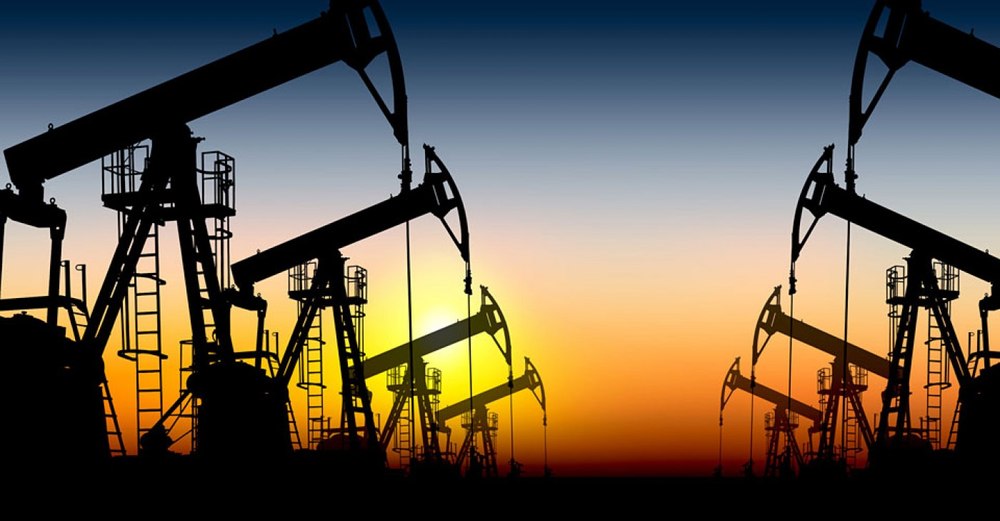
Middle East war alters oil market; OPEC cuts 2026 forecast but sees consumption rebound
Translated from Romanian, summarized and contextualized by DistantNews.
At a glance
News
Official statement
Context piece
- OPEC has lowered its 2026 global oil demand growth forecast to 780,000 barrels per day due to economic uncertainties from Middle East tensions.
- Despite the reduced short-term outlook, OPEC anticipates a medium-term recovery in oil consumption.
- The organization is also managing OPEC+ production levels amidst geopolitical complexities.
The conflict in the Middle East is influencing calculations for major oil market players, prompting the Organization of the Petroleum Exporting Countries (OPEC) to reduce its global oil demand growth forecast for 2026. The organization now estimates demand will increase by approximately 780,000 barrels per day, a downward revision from previous predictions. This marks the third consecutive cut to the consumption outlook, driven by economic risks stemming from geopolitical tensions.
OPEC, however, believes the impact on consumption will be less severe than anticipated by other institutions like the International Energy Agency (IEA). The report notes that global economic growth remained resilient in the first half of 2026. "Potential moderation of geopolitical tensions could boost global GDP performance in the second half of 2026 if energy markets and trade flows stabilize further," the OPEC monthly report states.
The oil market is highly sensitive to geopolitical conflicts, especially when they affect key production and transport regions. The Middle East remains a critical oil-producing area, and instability there can influence prices and investment decisions. OPEC does not foresee a collapse in oil consumption but rather a temporary slowdown in the growth rate, expecting demand to accelerate again once tensions ease and markets stabilize.
For 2027, OPEC has revised its global consumption forecast upward, projecting an increase of about 1.94 million barrels per day, an increase of roughly 200,000 barrels per day from its June estimate. This suggests the organization views current difficulties as an adjustment period rather than a permanent shift in global consumption trends. Concurrently, the OPEC+ alliance is working to manage production levels amid uncertainties, having agreed to resume production increases from April after several states voluntarily limited supplies to support prices.
Potential moderation of geopolitical tensions could boost global GDP performance in the second half of 2026 if energy markets and trade flows stabilize further.
DistantNews Editorial
Originally published by Adevărul in Romanian. Translated, summarized, and contextualized by our editorial team with added local perspective. Read our editorial standards.
More Stories

From Our Blog

What Gets Lost (and Found) When News Is Translated

The Critical Role of Diaspora Media in Global News

What Travellers Should Know About Countries with Restricted Press

A Digital Nomad's Guide to Following Local News

How the Same Story Looks Different in Different Countries
