




Migrants in Ceuta: Spanish government takes control of port
Translated from German and summarized by DistantNews. Read the original for the full story.
At a glance
News
From a news agency
Ongoing story
- Spain’s central government took control of Ceuta’s port and authorized a temporary migrant camp there, overriding the local administration.
- Transport Minister Óscar Puente signed the order after Ceuta’s regional government opposed the plan, citing the port’s importance for supplies and its proximity to a large fuel depot.
- About 5,000 migrants remained in Ceuta more than a month after tens of thousands entered from Morocco, including about 1,200 minors, according to government figures.
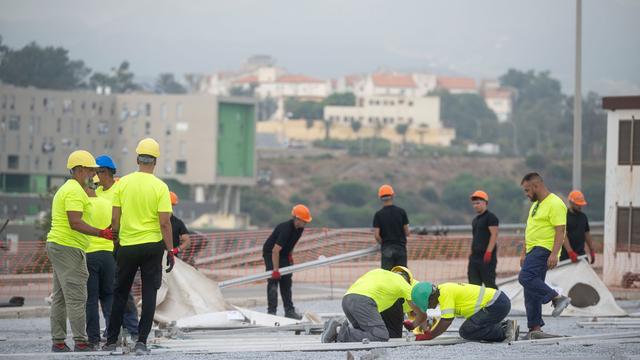
Madrid has taken control of the port in Ceuta to establish a temporary camp for migrants, directly overruling the authorities of the Spanish enclave on Morocco’s border.
Transport Minister Óscar Puente signed the order allowing the tent camp to be built in the port area, Spanish public broadcaster RTVE and other Spanish media reported. The decision puts the central government at odds with Ceuta’s regional administration, led by President Juan Jesús Vivas.
The local government had recently rejected a camp at the port. It argued that the facility was essential to supplying the enclave and that a large fuel depot stood nearby. It had also opposed temporary accommodation in a disused factory, a former military hospital and sports centers.
Another camp for about 900 people is being built in the Los Rosales district, where residents have protested. Government figures say around 72,000 migrants swam from Morocco or climbed over border fences into Ceuta at the end of July, although most returned within hours. More than a month later, about 5,000 migrants were still there, including 1,200 minors. The enclave is smaller than Frankfurt Airport.
About this summary
Originally published by Die Zeit in German. Translated, summarized, and contextualized automatically by DistantNews, with a note on how the source frames the story. Not individually reviewed before publishing. How this works.
More Stories


From Our Blog

News in Translation: What Gets Lost, and How We Keep the Framing

The Same Story, Different Countries: How Coverage Changes at the Border

Diaspora Media: How Communities Follow News From Home

Traveling Where the Press Is Not Free: How to Read the News There

The Digital Nomad's Guide to Local News
