



Migration: After criticism, praise for Spain
Translated from German, summarized and contextualized by DistantNews.
At a glance
Analysis
Sources not specified
Context piece
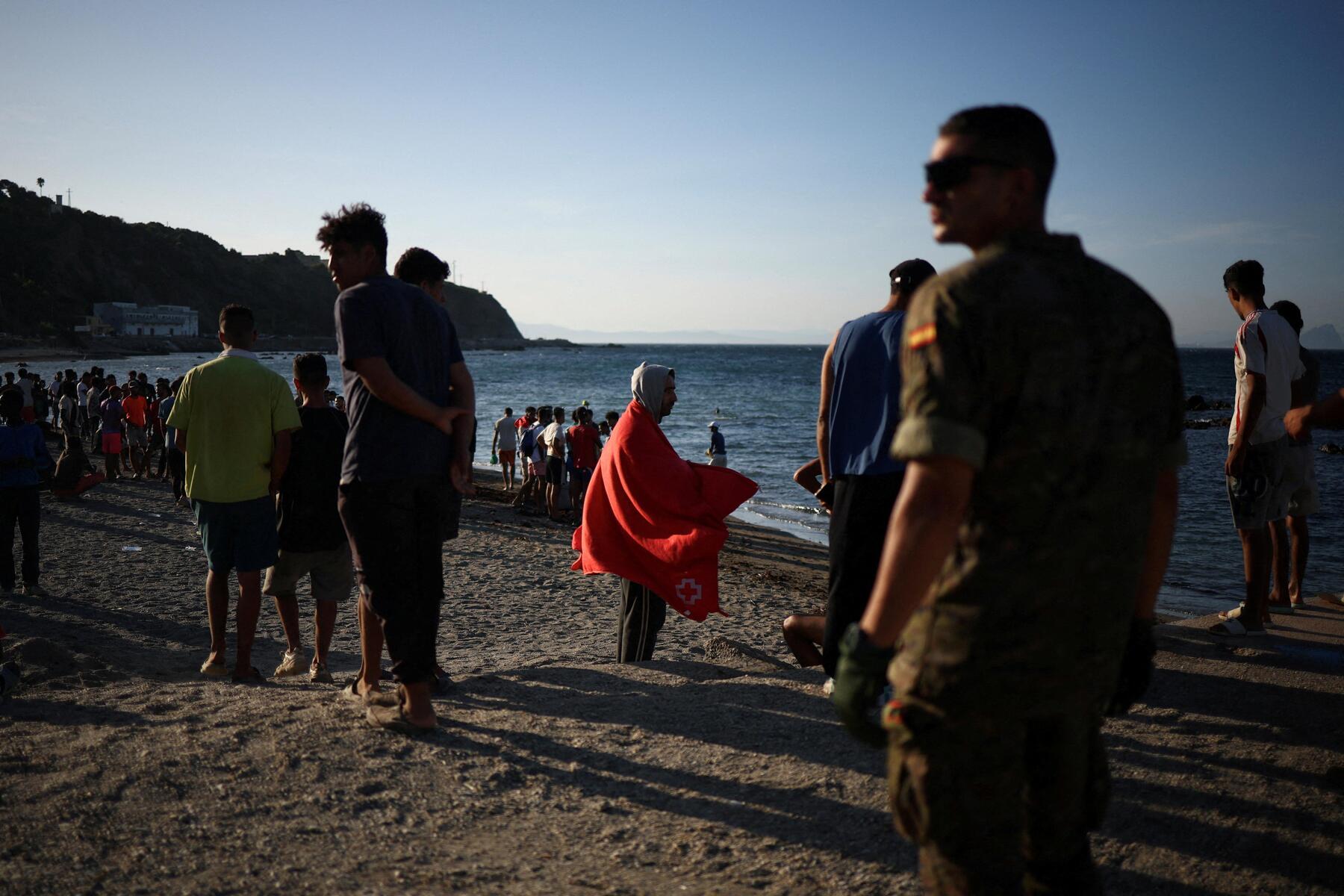
- Thousands of migrants entered Spain's Ceuta enclave from Morocco within hours, raising questions about border management.
- Morocco claims false information about settlement rights in Spain spurred the influx, while Spain estimates higher numbers of arrivals and deaths.
- The incident triggered panic in EU capitals, prompting calls for an emergency meeting of interior ministers.
The rapid influx of thousands of migrants into Spain's North African enclave of Ceuta from Morocco has sparked intense debate and concern across the European Union. The event highlights the ongoing challenges of managing the EU's external borders and the complex negotiations involved in controlling migration routes with North African nations.
Morocco attributes the surge to misinformation circulating on social media, suggesting migrants could settle in Spain, and a misinterpretation of a Spanish court ruling. The Moroccan government reported 40,000 migrants and 11 deaths, while Spanish authorities estimate over 50,000 arrivals and more than 80 fatalities. Many of the newly arrived migrants have since reportedly left Ceuta and returned to Morocco.
Observers suggest that the mass entry was facilitated by the non-intervention of Moroccan authorities. Migrants interviewed after arriving in Ceuta corroborated this, indicating that Moroccan border guards may have allowed at least some of them to pass. This contradicts Morocco's official explanation, which places blame on false information rather than lax border control.
The incident has caused significant indirect consequences, triggering a "panic attack" in EU capitals. Twenty-two EU leaders sent a letter to the Irish presidency of the Council of the EU, calling for an extraordinary meeting of interior ministers. The letter implicitly blamed Spain, suggesting that the "legalization of a very large number of irregular migrants" in the country could have acted as an incentive for the influx.
DistantNews Editorial
Originally published by Die Presse in German. Translated, summarized, and contextualized by our editorial team with added local perspective. Read our editorial standards.
More Stories


From Our Blog

What Gets Lost (and Found) When News Is Translated

The Critical Role of Diaspora Media in Global News

What Travellers Should Know About Countries with Restricted Press

A Digital Nomad's Guide to Following Local News

How the Same Story Looks Different in Different Countries
