

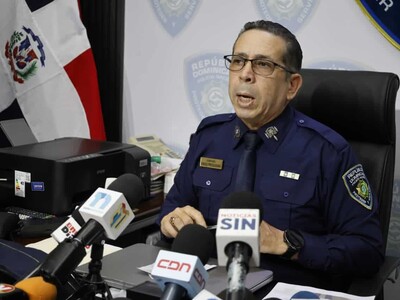
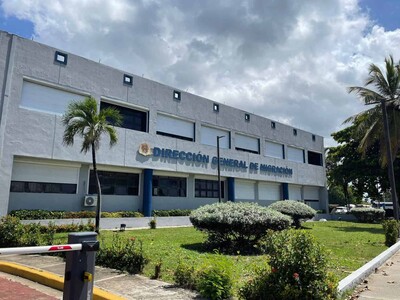
Migration responds to reports of agents charging foreigners
Translated from Spanish, summarized and contextualized by DistantNews.
At a glance
News
Sources not specified
Context piece
- The Dominican Republic's General Directorate of Migration (DGM) stated it has a "zero tolerance" policy for corruption among its staff.
- This response comes after Haitian citizens reported that migration agents allegedly demanded money for their release during interdiction operations.
- The DGM is investigating the claims and vows to sanction those found responsible, potentially leading to dismissal and prosecution.
The Dominican Republic's General Directorate of Migration (DGM) has asserted a "zero tolerance" policy for corruption within its ranks, following allegations from Haitian citizens. These individuals claim that migration agents extorted money from them to secure their freedom during interdiction operations.
Migration authorities stated that all received complaints are under investigation. They assured that any personnel found responsible would face severe sanctions, including dismissal and referral to prosecution bodies, depending on the offense.
These statements address testimonies collected by Diario Libre, detailing a pattern where some Haitians allegedly paid sums to avoid detention. One complainant, a security guard in Santo Domingo Oeste, reported that agents entered his home, beat him, and took $700 to avoid his arrest. Another case involved a Haitian woman working in a family home who was allegedly asked for 15,000 pesos by an agent to continue her journey; her employers facilitated the payment via a third-party bank transfer.
While acknowledging the government's right to implement immigration policies, some complainants criticized the agents' conduct as abusive. They also noted that deportation efforts seem to disproportionately target Haitians, while foreigners of other nationalities without documentation are allegedly not repatriated.
DistantNews Editorial
Originally published by Diario Libre in Spanish. Translated, summarized, and contextualized by our editorial team with added local perspective. Read our editorial standards.
More Stories

From Our Blog

What Gets Lost (and Found) When News Is Translated

The Critical Role of Diaspora Media in Global News

What Travellers Should Know About Countries with Restricted Press

A Digital Nomad's Guide to Following Local News

How the Same Story Looks Different in Different Countries
