


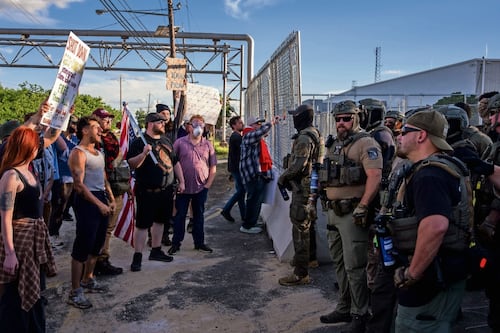
Migratory initiative targets professionals
Translated from Spanish, summarized and contextualized by DistantNews.
At a glance
News
Named sources
Context piece
- Republican lawmakers introduced the "American White-Collar Worker Jobs Act" to reform U.S. labor migration programs.
- The bill primarily targets the H-1B visa, aiming to restrict its use as a pathway to permanent residency for foreign professionals.
- Proposed changes include eliminating dual intent, shortening the visa duration, and ending the Optional Practical Training (OPT) program for international students.
A group of Republican congressmen has introduced legislation that could significantly alter U.S. immigration policy for highly skilled foreign professionals. The proposed "American White-Collar Worker Jobs Act," spearheaded by Representative Chip Roy of Texas, aims to overhaul key aspects of the nation's labor migration system, particularly the H-1B visa program.
The H-1B visa is a critical tool for U.S. companies seeking to hire foreign workers in specialized fields such as technology, healthcare, and engineering. For years, it has served as a primary route for many foreign professionals to eventually obtain permanent residency, or a green card, in the United States. The current system allows for "dual intent," meaning visa holders can work temporarily while pursuing permanent residency.
This new bill seeks to eliminate that dual intent, requiring H-1B visa holders to demonstrate continued residence in their home countries and no intention of settling permanently in the U.S. This effectively closes the door on using the H-1B as a bridge to a green card. Additionally, the proposal would drastically reduce the visa's maximum duration from six years to just two and revise the selection process to favor those receiving the highest salary offers.
Furthermore, the legislation targets international students by proposing the elimination of the Optional Practical Training (OPT) program. OPT currently allows foreign graduates of U.S. universities to remain in the country and gain work experience for a set period after completing their studies. The bill's proponents argue these measures are necessary to protect American jobs and ensure that U.S. workers are prioritized.
DistantNews Editorial
Originally published by El Universal in Spanish. Translated, summarized, and contextualized by our editorial team with added local perspective. Read our editorial standards.
More Stories

From Our Blog

What Press Freedom Means for the News You Read

What Gets Lost (and Found) When News Is Translated

The Critical Role of Diaspora Media in Global News

What Travellers Should Know About Countries with Restricted Press

A Digital Nomad's Guide to Following Local News
