


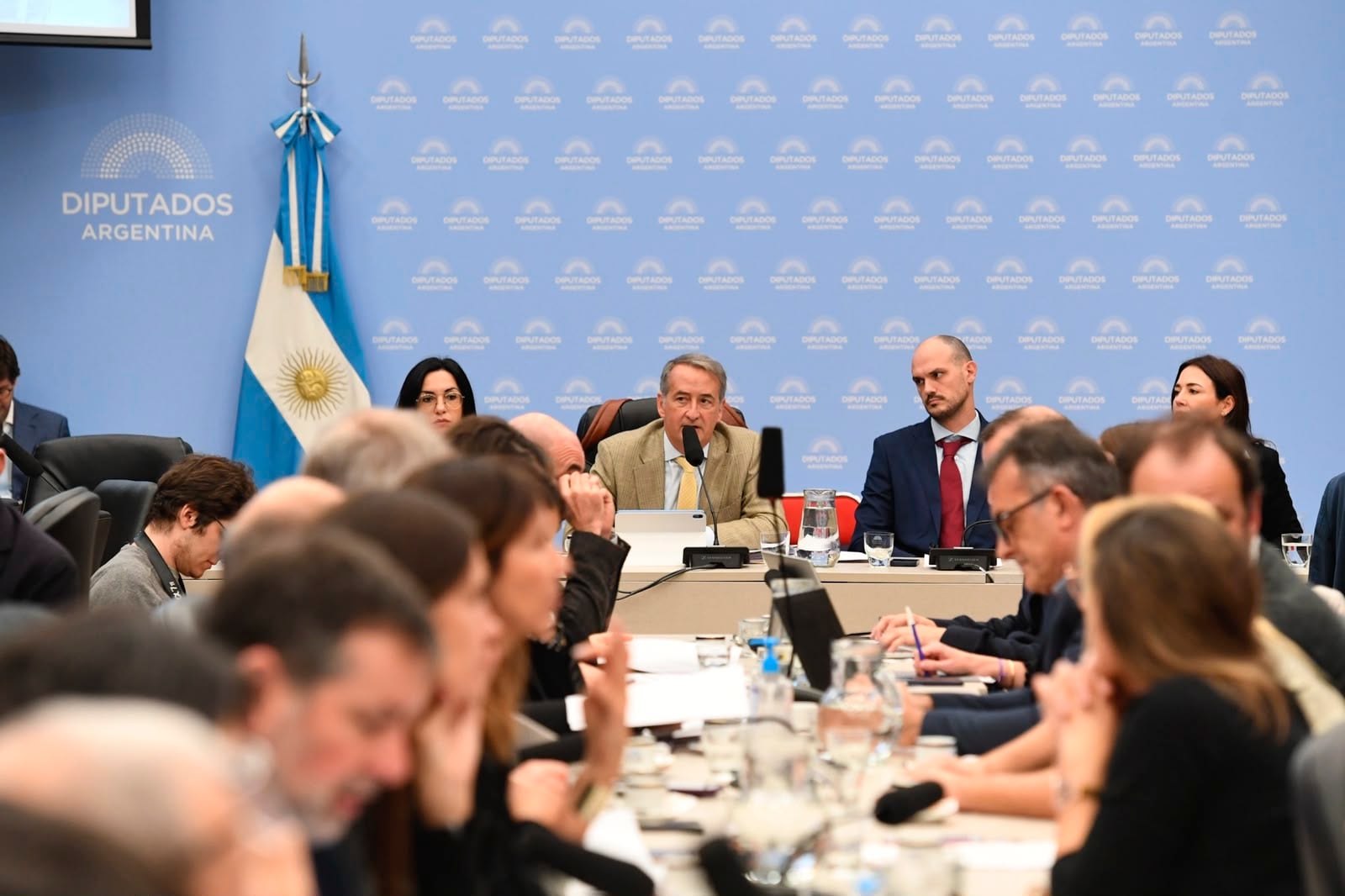
Milei's lobby bill faces broad criticism from NGOs, business groups
Translated from Spanish, summarized and contextualized by DistantNews.
At a glance
News
Named sources
New plan
- Javier Milei's proposed lobby regulation project faces broad criticism from NGOs, business chambers, and professional associations.
- Critics argue the bill's definitions are too broad, penalties disproportionate, and it risks hindering legitimate public representation.
- Alternative proposals are being developed by opposition parties, while some business groups seek modifications to the official bill.
A proposed law to regulate lobbying in Argentina, championed by President Javier Milei, has drawn widespread criticism from civil society organizations, business chambers, and professional associations. While many agree on the need to increase transparency in public-private sector relations, they express concern that the bill's broad definitions, disproportionate sanctions, and potential to affect legitimate representation activities could be problematic.
discretionary state control that compromises their independence and ability to oversee public power
The objections were voiced during a legislative hearing in the Chamber of Deputies. Thirteen civil society organizations released a statement titled “Supervised Participation Law,” warning that the government's proposal could subject them to "discretionary state control that compromises their independence and ability to oversee public power." Signatories included Amnesty International, the Forum for Argentine Journalism (Fopea), and the Center for Legal and Social Studies (CELS).
AmCham Argentina, the U.S. Chamber of Commerce in Argentina, supported a transparency regime for lobbying but requested modifications. Its representative, Alejandro Díaz, called for more precise definitions, less bureaucratic registration mechanisms, and questioned the inclusion of criminal penalties. He argued the law should enhance transparency without discouraging companies and organizations from participating in public policy debates. His remarks drew sharp interjections from the opposition bloc.
the law should strengthen transparency without discouraging the participation of companies and organizations in the debate of public policies.
Alejandra García, president of the Bar Association of the Federal Capital, warned that the definition of "interest management" is so broad it could encompass routine activities of lawyers, unions, social organizations, and professional entities. She stated the initiative "criminalizes the constitutional exercise of petitioning authorities" and criticized the proposed sanctions, cautioning that even informal conversations could be penalized.
criminalizes the constitutional exercise of petitioning authorities
DistantNews Editorial
Originally published by La Nación in Spanish. Translated, summarized, and contextualized by our editorial team with added local perspective. Read our editorial standards.
More Stories



From Our Blog

What Gets Lost (and Found) When News Is Translated

The Critical Role of Diaspora Media in Global News

What Travellers Should Know About Countries with Restricted Press

A Digital Nomad's Guide to Following Local News

How the Same Story Looks Different in Different Countries
