


Million-Dollar Memories: Why Vintage Game Consoles and Figures Fetch Astronomical Prices
Translated from Korean, summarized and contextualized by DistantNews.
TLDR
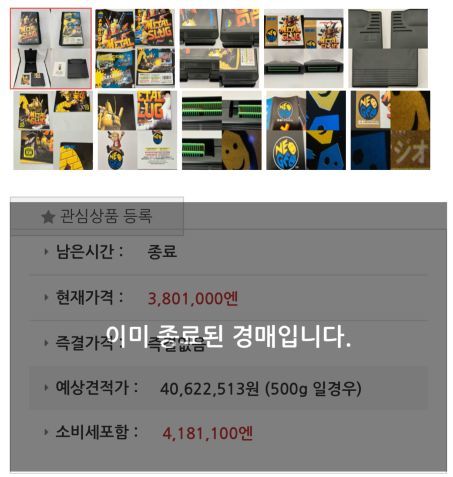
- Extremely rare vintage game consoles and games, like the Neo Geo's 'Metal Slug' (sold for over $40,000) and high-end CRT monitors, are fetching exorbitant prices in auctions.
- These items, once considered 'dream products' for teenagers in the 80s and 90s, are now highly sought after by affluent collectors in their 40s and 50s who seek nostalgia and emotional comfort.
- The scarcity of these items, exacerbated by frequent moves and a past 'study-first' culture in South Korea, contributes significantly to their soaring market value.
The world of vintage gaming and collectibles is experiencing a remarkable surge, with items once considered mere toys or outdated technology now commanding astronomical prices. In South Korea, as in global markets, a fascinating phenomenon is unfolding: 1980s and 90s 'dream products' are being resurrected and cherished by a generation that can now afford them.
Consider the Neo Geo console and its iconic game 'Metal Slug,' which recently fetched over 40 million won (approximately $40,000) at a Japanese auction. Similarly, high-end CRT monitors, once standard but now obsolete for everyday use, are selling for millions of won if they possess superior specifications from their era. These aren't just objects; they are tangible links to a past that was far less abundant than today.
The driving force behind this trend appears to be a potent blend of nostalgia and a desire for emotional grounding. Many individuals in their 40s and 50s, who grew up during a time of economic scarcity in South Korea, are now in their most financially prosperous years. As they reflect on their lives and careers, they seek solace and joy in the possessions they yearned for as children but could not obtain.
This emotional connection is amplified by the sheer rarity of these items. South Korea's dynamic society, marked by frequent relocations and a historical emphasis on academics over play, led to many childhood treasures being lost or discarded. The 'study-first' culture often meant that toys and games were seen as distractions, easily thrown away without a child's consent. Consequently, surviving examples are scarce, driving up their value exponentially among collectors who see them not just as investments, but as cherished pieces of their personal history.
DistantNews Editorial
Originally published by Dong-A Ilbo in Korean. Translated, summarized, and contextualized by our editorial team with added local perspective. Read our editorial standards.
More Stories



From Our Blog

What Gets Lost (and Found) When News Is Translated

The Critical Role of Diaspora Media in Global News

What Travellers Should Know About Countries with Restricted Press

A Digital Nomad's Guide to Following Local News

How the Same Story Looks Different in Different Countries
