

Minister Shrestha Stresses Preparedness for El Niño's Potential Impacts on Nepal
Translated from English, summarized and contextualized by DistantNews.
At a glance
News
Named sources
Context piece
- Minister Biraj Bhakta Shrestha urged prompt action and preparedness to mitigate potential impacts of Super El Niño on Nepal.
- He highlighted the need for increased energy storage capacity and climate-resilient agriculture due to anticipated effects on rainfall, temperature, and water availability.
- A 'Water-Energy Drought Monitoring' mechanism has been established to track and publish monthly information on these critical sectors.
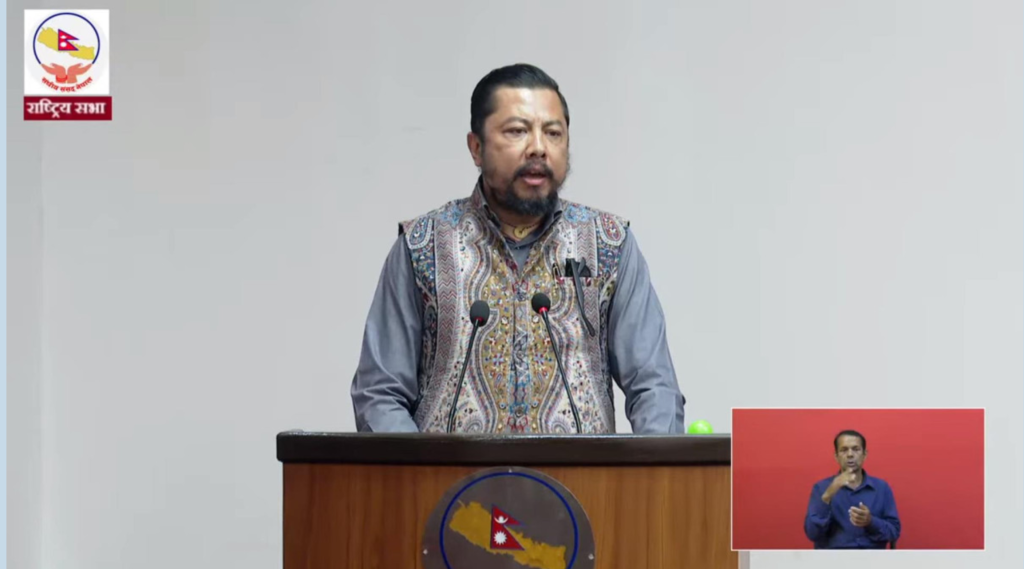
Nepal's Minister for Energy, Water Resources, and Irrigation, Biraj Bhakta Shrestha, has emphasized the critical need for immediate action and robust preparedness to counter the potential impacts of Super El Niño.
Addressing a national workshop on climate risks, Shrestha stressed that forecasts indicate a heightened likelihood of Super El Niño affecting Nepal's rainfall, temperature, hydropower production, irrigation, and food security. He underscored the urgency of taking these potential impacts seriously.
"As Kulekhani-1 is only one seasonal reservoir project in the 4,120 MW electricity system currently operational in Nepal, there is therefore a need to increase storage capacity in the energy sector," the minister stated. He argued that developing reservoir projects and enhancing storage capacity are essential for energy security, particularly given Nepal's increasing dependence on energy imports during dry seasons, despite significant progress in energy trade.
Regarding irrigation, Shrestha noted that most projects rely on small and medium rivers, leading to insufficient water during dry periods. He highlighted that a prolonged drought has already impacted agricultural production, making climate-resilient agriculture an urgent necessity. To this end, the ministry has developed the Tarai-Madhesh Drought Resilience Strategy.
To improve monitoring and response, a 'Water-Energy Drought Monitoring' mechanism has been established. This initiative, involving several key departments, aims to publish monthly information from October to March to track the evolving situation and inform mitigation efforts.
As Kulekhani-1 is only one seasonal reservoir project in the 4,120 MW electricity system currently operational in Nepal, there is therefore a need to increase storage capacity in the energy sector.
DistantNews Editorial
Originally published by OnlineKhabar English in English. Translated, summarized, and contextualized by our editorial team with added local perspective. Read our editorial standards.
More Stories


From Our Blog

What Gets Lost (and Found) When News Is Translated

The Critical Role of Diaspora Media in Global News

What Travellers Should Know About Countries with Restricted Press

A Digital Nomad's Guide to Following Local News

How the Same Story Looks Different in Different Countries
