

Ministry of Energy: Tajikistan is among the world leaders in green energy production
Summarized and contextualized by DistantNews.
At a glance
News
Official statement
New plan
- Tajikistan is a global leader in green energy, with approximately 95% of its electricity generated by hydropower plants.
- The country's hydropower potential is vast, estimated at 527 billion kWh annually, with only about 4% currently developed.
- Tajikistan emphasizes energy transition for national development and security, while also acknowledging the need to diversify energy sources due to climate change and growing demand.
Tajikistan stands among the world's leaders in green energy production, deriving roughly 95% of its electricity from hydropower, according to the Ministry of Energy and Water Resources.
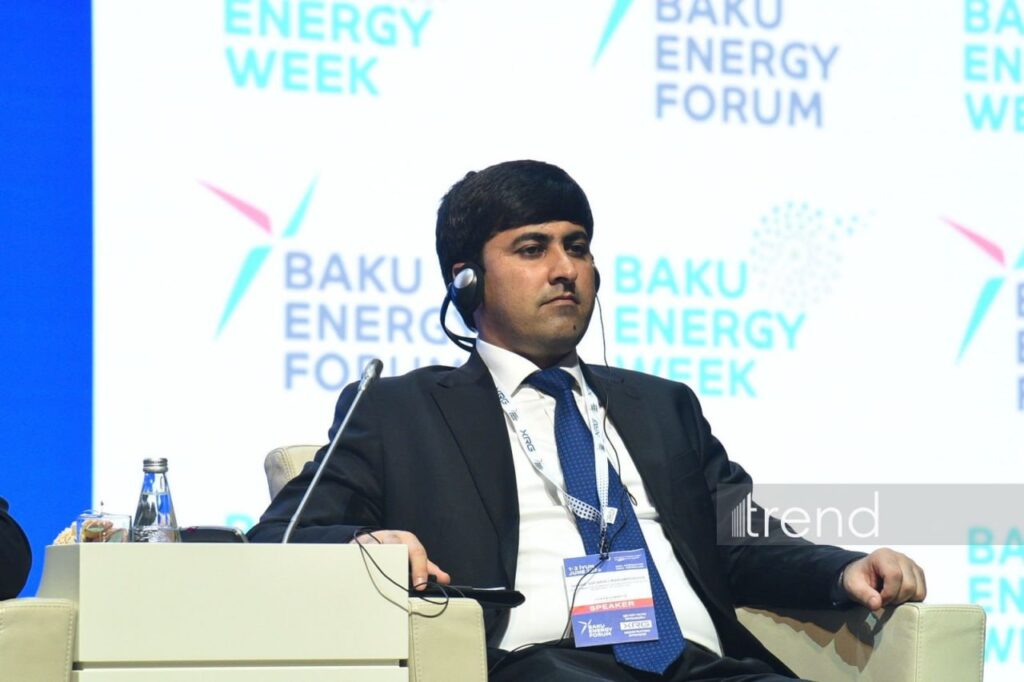
This significant reliance on renewable energy was highlighted by Deputy Minister Sharif Mahmadzoda at the Baku Energy Forum. He stated that for Tajikistan, the energy transition is not merely a global climate agenda item but a strategic imperative for national development, ensuring energy security, fostering industrial growth, and improving the quality of life for its citizens.
The nation's hydropower potential is substantial, estimated at around 527 billion kWh per year, yet only a small fraction, approximately 4%, has been tapped. Mahmadzoda noted that challenges such as climate change, melting glaciers, seasonal river flow variations, and increasing electricity demand necessitate diversifying the energy mix.
To address these challenges, Tajikistan is focusing on modernizing infrastructure and exploring other renewable technologies like solar and wind power. The importance of regional cooperation was also stressed, with the reconnection to Central Asia's Unified Energy System and the CASA-1000 project identified as key factors for developing a regional clean energy market and enhancing energy interconnections across Central and South Asia.
For the Republic of Tajikistan, the energy transition is not only part of the global climate agenda, but also a strategic condition for national development, energy security, industrial growth, and improving the quality of life of the population.
DistantNews Editorial
Originally published by Asia-Plus. Summarized and contextualized by our editorial team with added local perspective. Read our editorial standards.
More Stories


From Our Blog

What Gets Lost (and Found) When News Is Translated

The Critical Role of Diaspora Media in Global News

What Travellers Should Know About Countries with Restricted Press

A Digital Nomad's Guide to Following Local News

How the Same Story Looks Different in Different Countries
