


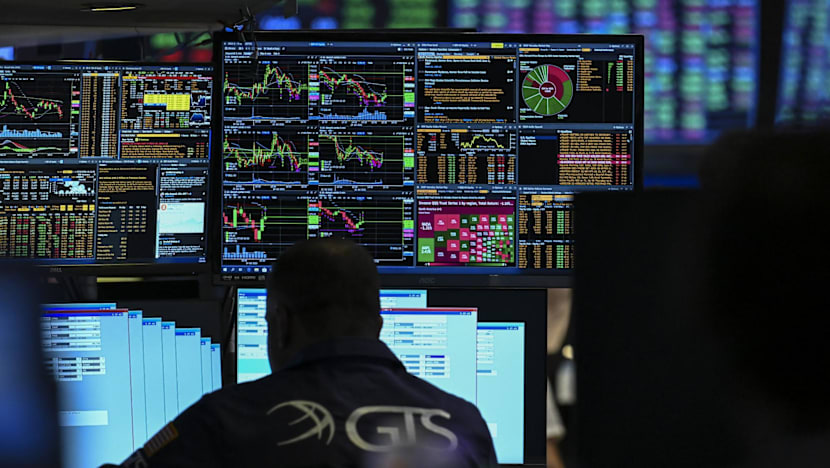
Mixed day for global stocks but oil prices fall along with chip shares
Summarized and contextualized by DistantNews.
At a glance
News
From a news agency
Context piece
- Global stock markets experienced a mixed trading day, with Wall Street stocks mostly rising due to solid earnings and falling oil prices.
- Semiconductor shares declined significantly amid concerns over high valuations and competition from Chinese firms.
- Investors are now focusing on the upcoming US Federal Reserve meeting, with expectations of interest rates remaining unchanged.
Global stock markets saw a mixed performance on Tuesday, with US markets showing resilience. Wall Street stocks largely advanced, buoyed by strong corporate earnings reports and a notable pullback in oil prices. This positive momentum, however, was offset by weakness in the semiconductor sector and declines in Asian equity markets.
The semiconductor industry faced significant selling pressure, with major players like Micron, AMD, and Sandisk experiencing declines. Investors are increasingly concerned about the sector's lofty valuations and the growing competitive threat from Chinese companies. Reports indicated that China's Shanghai Yuliangsheng had begun mass production of chipmaking technology previously dominated by Dutch firm ASML, further impacting Asian markets.
Seoul-listed SK hynix and Samsung saw substantial drops, shedding nearly 50 percent of their market value since recent highs. Tokyo's Nikkei index tanked, with shares of Kioxia, Advantest, and Tokyo Electron tumbling. Taipei also fell sharply, with market heavyweight TSMC taking a hit.
I don't expect a rate hike, but I do expect dissents.
Despite the tech sector's woes, the Dow and S&P 500 indices were lifted by positive results from companies like Boeing and Coca-Cola. The Nasdaq, though spending much of the morning in negative territory, managed to cut losses, closing down just 0.2 percent. A further drop in oil prices, with Brent crude futures falling 4.8 percent to $84.09 a barrel, also provided some relief to US markets, partly influenced by optimism surrounding potential Middle East peace efforts.
Markets are now shifting their focus to the US Federal Reserve's upcoming two-day meeting. While most investors anticipate the Fed will hold interest rates steady for the fifth consecutive meeting, there is a growing undercurrent of bets on a potential rate hike. Consumer inflation eased last month but is expected to rise again, influenced by fluctuating oil prices. The uncertainty surrounding the Fed's decision is amplified by new Fed Chair Kevin Warsh's unconventional approach to monetary policy communication.
We may have a new chairman, but the old guard is now worried about where the economy has moved since the beginning of the year.
DistantNews Editorial
Originally published by CNA. Summarized and contextualized by our editorial team with added local perspective. Read our editorial standards.
More Stories

From Our Blog

What Gets Lost (and Found) When News Is Translated

The Critical Role of Diaspora Media in Global News

What Travellers Should Know About Countries with Restricted Press

A Digital Nomad's Guide to Following Local News

How the Same Story Looks Different in Different Countries
