

Mobility Experiment: Leave the Car Behind More Often
Translated from German, summarized and contextualized by DistantNews.
At a glance
News
Sources not specified
Context piece
- A mobility experiment in Germany's Wetterau region offers alternatives to car use for rural residents.
- Participants use e-bikes, cargo bikes, or public transport tickets for several months, aiming to reduce car dependency.
- The project, involving around 20 participants, seeks to demonstrate the feasibility of alternative mobility in areas with less developed public transport.
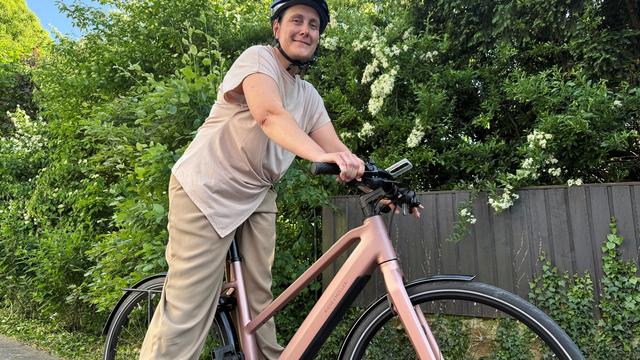
In Germany's Wetterau region, a novel mobility experiment is challenging the dominance of the car, particularly in rural areas. Melanie Kostka, a 50-year-old participant from Glauberg, has embraced an e-bike for most daily errands, a significant shift from her previous reliance on a car for everything from doctor's visits to taking her daughter to sports.
I have set myself the goal of completing all journeys except for the commute to work with this bicycle.
Kostka is one of about 20 individuals testing alternatives to car travel in the towns of Ortenberg, Glauburg, and Ranstadt. For several months, they have free access to e-bikes, cargo bikes, and the Deutschlandticket for public transport. The initiative, run by the Institute for Social-Ecological Research (ISOE) and the FrankfurtRheinMain Regional Association, aims to prove that people in rural settings can indeed switch to alternatives.
It's about mobility alternatives: You don't have to give up your car key, but we specifically approached car drivers who normally drive a lot.
Project leader Jutta Deffner emphasizes that the goal isn't a complete abandonment of cars. "It's about mobility alternatives: You don't have to give up your car key, but we specifically approached car drivers who normally drive a lot," she explained. Deffner acknowledges the challenges in rural areas, citing less frequent public transport and the hilly terrain that makes cycling more demanding.
In rural areas, public transport is not as frequent compared to more urban regions. And here in Ortenberg and the surrounding area, there are of course also the many inclines that make cycling more strenuous.
Despite these hurdles, Kostka is experiencing a change in habits. While she still needs her car for the 110-kilometer commute to work, she now uses her e-bike for smaller tasks. Initially hesitant about the e-bike, she found the training reassuring and has grown to enjoy the experience. She is even considering purchasing her own e-bike after the experiment concludes in the fall. Other participants are exploring public transport options with the Deutschlandticket.
It's actually fun now.
DistantNews Editorial
Originally published by Die Zeit in German. Translated, summarized, and contextualized by our editorial team with added local perspective. Read our editorial standards.
More Stories


From Our Blog

What Gets Lost (and Found) When News Is Translated

How the Same Story Looks Different in Different Countries

The Critical Role of Diaspora Media in Global News

What Travellers Should Know About Countries with Restricted Press

A Digital Nomad's Guide to Following Local News
