


Modern Sabotage Perpetrators Are 'Caught From the Internet,' Polish Study Finds
Translated from Polish, summarized and contextualized by DistantNews.
At a glance
News
Named sources
Context piece
- Polish researchers are studying modern sabotage, noting a rise in incidents like arson and infrastructure damage.
- The study highlights a broadening range of perpetrators, including criminal groups and foreigners, not just military or intelligence services.
- Sabotage increasingly targets critical infrastructure to cause widespread disruption and psychological impact, moving beyond simple destruction.
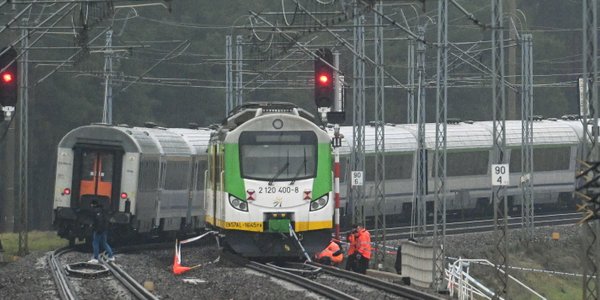
Modern sabotage is evolving beyond traditional military actions, with researchers from Poland's WSB University in Dąbrowa Górnicza investigating its changing nature. Their study, "Conditions of Modern Sabotage in the Context of State Defense Preparations," launched in 2024, examines incidents like arson, track damage, and explosive packages.
Our research has been ongoing since 2024... Its theme is 'Conditions of modern sabotage in the context of state defense preparations.'
Bernard Wiśniewski, a key researcher, noted that the methods of sabotage are not surprising, but their spread beyond conflict zones is. He expressed concern over the expanding pool of perpetrators, which now includes criminal organizations, foreign nationals, minors, and individuals motivated by financial gain, moving away from solely military or special service involvement.
What turned out to be the biggest surprise? BW: In modern sabotage actions, the forms and techniques, as well as the domains of sabotage, are not surprising. What is astonishing is their transfer beyond the territories of rivaling or clashing parties.
Tomasz Safjański highlighted that European security services have seen a significant increase in sabotage-related incidents since 2022. These include disinformation campaigns, airspace violations, GPS signal disruptions, critical infrastructure damage, transport interference, false alarms, and cyberattacks. Poland, in particular, has faced challenges, with incidents like a fire at a hall and damage to railway lines.
What is alarming is above all the widening circle of perpetrators of sabotage, extending beyond military structures and special services, engaging criminal groups, foreigners, minors, individuals driven by financial benefits.
Both Polish research and NATO/EU experiences indicate that sabotage operations frequently target energy, water, transport, logistics, communication, and supply facilities. These targets are chosen not only for their operational value but also for their psychological impact, capable of causing cascading failures across state functions and affecting large populations. A notable trend is the shift from mere destruction to acquiring information or materials.
Since 2022, European security services have noted a clear increase in incidents analyzed for sabotage, including arson, disinformation campaigns, airspace violations, GPS signal disruptions, critical infrastructure damage, transport disruptions, false alarms, or cyberattacks.
DistantNews Editorial
Originally published by Rzeczpospolita in Polish. Translated, summarized, and contextualized by our editorial team with added local perspective. Read our editorial standards.
More Stories


From Our Blog

What Gets Lost (and Found) When News Is Translated

The Critical Role of Diaspora Media in Global News

What Travellers Should Know About Countries with Restricted Press

A Digital Nomad's Guide to Following Local News

How the Same Story Looks Different in Different Countries
