

Moldova's EU Path Blocked? Unification with Romania Eyed as 'Plan B'
Translated from Romanian, summarized and contextualized by DistantNews.
At a glance
News
Sources not specified
Context piece
- Moldova might consider uniting with Romania if its EU accession is blocked, according to The Economist.
- About 70% of Romanians and 40% of Moldovans support unification, with support in Moldova doubling in the last decade.
- Unification faces political and economic challenges, including Moldova's poverty and control over Transnistria, and is not an immediate priority for Chisinau.
Moldova could pursue unification with Romania as a "Plan B" if its European Union accession path is blocked, The Economist reported. This scenario gains traction as Romania is already an EU and NATO member, and support for unification has grown in both countries. Approximately 70% of Romanians favor joining Moldova, while about 40% of Moldovans support the idea, a figure that has doubled in the past decade, according to Iulian Groza, director of the Institute for European Policies and Reforms.
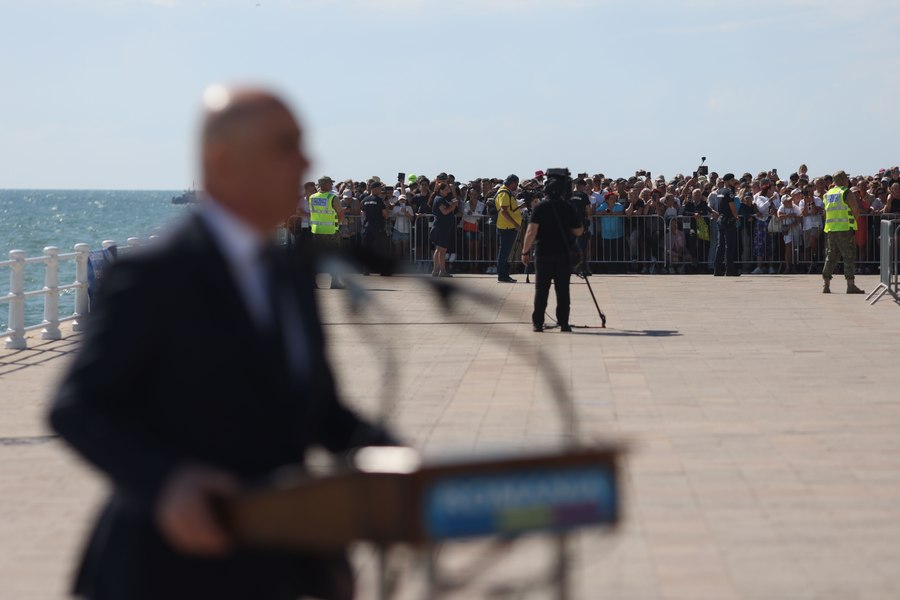
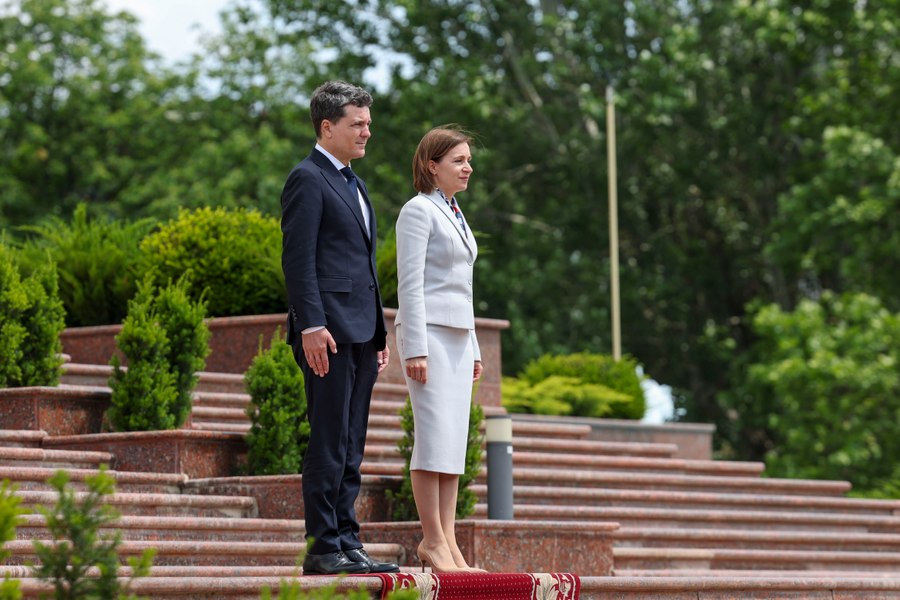
Moldovan President Maia Sandu has stated she would vote "Yes" in a referendum on unification, and Vice Prime Minister Eugen Osmochescu described it as a "Plan B." Romanian President Nicușor Dan and other politicians also back the idea. The two nations share strong historical and cultural ties, with much of modern Moldova having been part of Romania between 1918 and 1940. Many of the approximately 850,000 Moldovans holding Romanian citizenship cite pragmatic reasons, such as access to the European job market.
Plan B
However, unification is not an immediate goal for Chisinau authorities. Romanian communication expert Rufin Zamfir suggests Moldovan leaders' statements might be indirect messages to European partners. If Moldova's EU accession is delayed or faces tougher conditions, unification could become a political variable Brussels cannot ignore. Moldova aims to join the EU by 2030, but potential opposition from some member states could complicate its path.
Should unification occur, it would bypass the need for separate EU accession but present significant political and economic hurdles. Unlike West Germany's reunification, Romania lacks the financial resources to absorb Moldova, one of Europe's poorest countries. Furthermore, Chisinau does not control the Russian-backed separatist region of Transnistria, and an autonomy agreement with the pro-Russian Gagauzia region adds another layer of complexity.
Yes
DistantNews Editorial
Originally published by Adevărul in Romanian. Translated, summarized, and contextualized by our editorial team with added local perspective. Read our editorial standards.
More Stories
From Our Blog

What Gets Lost (and Found) When News Is Translated

The Critical Role of Diaspora Media in Global News

What Travellers Should Know About Countries with Restricted Press

A Digital Nomad's Guide to Following Local News

How the Same Story Looks Different in Different Countries
