

Moldova Shifts Energy Sector from State of Emergency to Alert Status
Translated from Romanian, summarized and contextualized by DistantNews.
TLDR
- The Republic of Moldova is transitioning from a state of emergency to a state of alert in its energy sector.
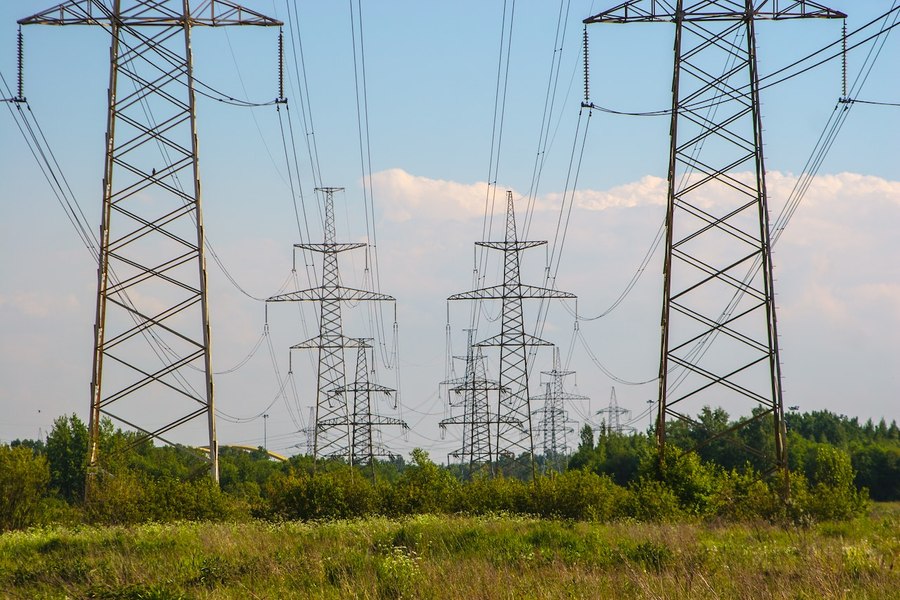
- The state of emergency was declared on March 25 following Russian drone attacks that damaged the Vulcănești-Isaccea power line, causing a significant deficit.
- The situation has stabilized with the power line repaired and fuel stocks replenished, allowing for a less restrictive alert status.
Moldova is taking a measured step towards normalcy by transitioning from a state of emergency to a state of alert in its energy sector. This move, expected to take effect on April 25, signifies a crucial stabilization following a period of heightened risk. The state of emergency, initially declared on March 25, was a necessary response to the severe energy deficit caused by Russian drone attacks that damaged the vital Vulcănești-Isaccea power line. This incident plunged Moldova into a crisis, highlighting its vulnerability to external aggression.
The circumstances that led to the declaration of the state of emergency have significantly diminished, and the crisis level has dropped to a level that can be managed through the specific instruments of the state of alert.
The justification for lifting the state of emergency is clear: the circumstances that necessitated such drastic measures have significantly diminished. The power line has been repaired, energy imports from Romania have resumed, and critically, fuel reserves have been replenished to adequate levels, ensuring up to 20 days of gasoline and 11 days of diesel supply. This stabilization allows Moldova to manage its energy situation with the tools provided by a state of alert, which offers monitoring and intervention capabilities without the need for the exceptional and restrictive measures associated with a state of emergency.
Maintaining a state of emergency is no longer proportional to the existing situation and would involve the continued application of unjustified restrictive and exceptional measures.
However, as Adevărul reports, vigilance remains paramount. Internal electricity production capacity is still limited compared to consumption needs, especially during peak hours. Furthermore, global tensions, such as those in the Strait of Hormuz affecting oil transit, pose ongoing risks to fuel markets. From Moldova's perspective, this transition is not just a bureaucratic shift; it's a testament to our resilience and effective crisis management under challenging geopolitical circumstances. While international observers might note the technical recovery, we emphasize the strategic importance of energy security for our nation's sovereignty and stability, especially in light of Russia's continued aggression, which President Maia Sandu rightly notes does not stop at Ukraine's borders.
Internal electricity production capacities remain limited in relation to the total consumption needs, especially during peak periods.
DistantNews Editorial
Originally published by Adevărul in Romanian. Translated, summarized, and contextualized by our editorial team with added local perspective. Read our editorial standards.
More Stories

From Our Blog

What Gets Lost (and Found) When News Is Translated

The Critical Role of Diaspora Media in Global News

What Travellers Should Know About Countries with Restricted Press

A Digital Nomad's Guide to Following Local News

How the Same Story Looks Different in Different Countries
