

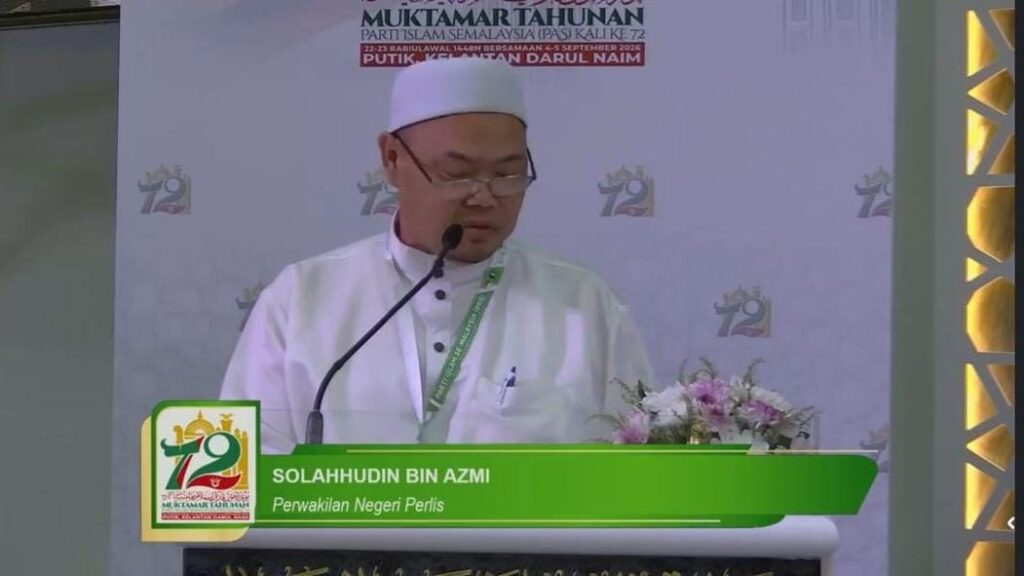

Monarchy is not just a symbol but the pillar of state sovereignty
Translated from Malay and summarized by DistantNews. Read the original for the full story.
At a glance
News
Sources not specified
Context piece
- The debate over the monarchy's role in Malaysia has resurfaced following political figures questioning the 'status of royal decrees'.
- DAP leader Tony Pua defended the view that the king's power is limited and not binding in all state administrative matters.
- This discussion follows public criticism of DAP leaders by the Sultan of Selangor regarding their understanding of the Rukun Negara and respect for the monarchy.
Discussions surrounding Malaysia's royal institutions have intensified after several political figures challenged the 'status of royal decrees' within the framework of a constitutional monarchy. The debate was sparked by DAP leader Tony Pua's assertion that the king's powers in Malaysia are limited and do not bind all state administrative affairs.
Pua's comments came after DAP leaders Ronnie Liu and others faced open criticism from the Sultan of Selangor, Sultan Sharafuddin Idris Shah. The Sultan urged them to better understand the Rukun Negara (National Principles) and show greater respect for the monarchy.
The core of the debate revolves around the extent of the Yang di-Pertuan Agong's (King's) authority and the interpretation of his role in a constitutional system. While the monarchy is a symbol of sovereignty, its practical influence on governance is a subject of ongoing political discourse.
This exchange highlights a recurring tension in Malaysian politics between democratic governance and the traditional role of the monarchy. The statements from both political figures and royalty underscore the sensitivity and importance of this institution in the nation's constitutional framework.
About this summary
Originally published by Utusan Malaysia in Malay. Translated, summarized, and contextualized automatically by DistantNews, with a note on how the source frames the story. Not individually reviewed before publishing. How this works.
More Stories


From Our Blog

News in Translation: What Gets Lost, and How We Keep the Framing

Diaspora Media: How Communities Abroad Follow Home

Traveling Where the Press Is Not Free: How to Read the News There

The Digital Nomad's Guide to Local News

The Same Story, Different Countries: How Coverage Changes at the Border
