

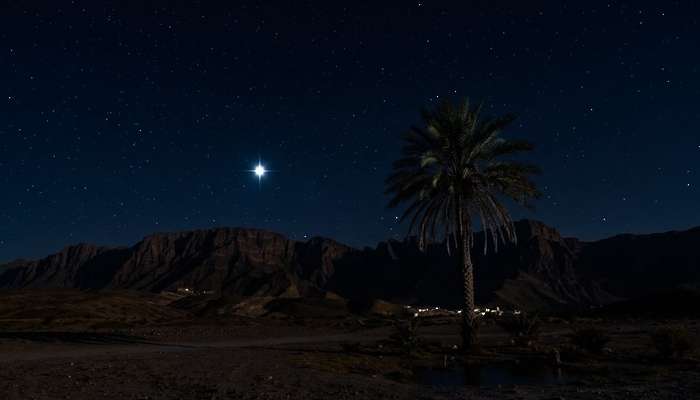

Monday Column: The war will never change the Gulf nationals
Summarized and contextualized by DistantNews.
At a glance
In-depth
Sources not specified
Context piece
- An elderly Omani man recounted his experience of European oil exploration in the 1950s, describing pollution and displacement.
- The man recalled how oil companies polluted a vital water source with "oil mud," forcing villagers to relocate.
- The narrative contrasts the historical impact of oil discovery with the current influx of European tourists and multinational corporations in the region.
In a traditional Omani souk, an elderly man shared a stark recollection of the region's past, contrasting it with the present. He remembered the arrival of Europeans over sixty years ago, drawn by the promise of oil. These early explorers, he recounted, camped near his village and polluted a crucial drinking water source with "oil mud."
"We had to do it because our animals were dying of thirst, the date trees were drying and we had to walk for miles to get water just to survive," the man explained, his voice filled with the weight of memory. The pollution forced his community to abandon their homes in search of fresh water, a direct consequence of the burgeoning oil industry.
His story, shared with a journalist in a bustling marketplace now filled with European tourists and overshadowed by multinational company offices, highlights a significant shift. The souk, though retaining some of its old charm, is a stark reminder of how the region has transformed since the days when oil wealth began to reshape life for its native inhabitants, who now appear to be a minority in their own bustling commercial centers.
We had to do it because our animals were dying of thirst, the date trees were drying and we had to walk for miles to get water just to survive.
DistantNews Editorial
Originally published by Times of Oman. Summarized and contextualized by our editorial team with added local perspective. Read our editorial standards.
More Stories

From Our Blog

What Gets Lost (and Found) When News Is Translated

The Critical Role of Diaspora Media in Global News

What Travellers Should Know About Countries with Restricted Press

A Digital Nomad's Guide to Following Local News

How the Same Story Looks Different in Different Countries
