


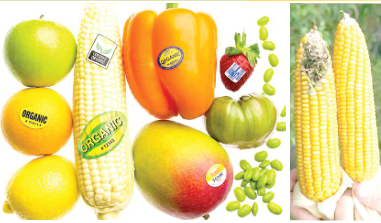
More controversy trails GMO adoption in Nigeria’s agro food system
Summarized and contextualized by DistantNews.
At a glance
News
Named sources
Context piece
- Nigeria's agricultural sector faces ongoing controversy regarding the adoption of Genetically Modified Organisms (GMOs).
- Concerns include potential soil damage from GMOs and demands for proper labeling of GM seeds by farmers.
- Stakeholders highlight weak regulatory safeguards as a key issue in the debate over GMOs.
Nigeria's agricultural landscape is embroiled in a contentious debate over the adoption of Genetically Modified Organisms (GMOs), with various stakeholders presenting conflicting narratives. The controversy highlights deep-seated concerns about the long-term impact of GM crops and farm inputs on the nation's food system.
Key figures in the agricultural sector have voiced strong opinions, with the head of MOMEF suggesting that Nigeria's soil has been damaged by GMOs. This assertion fuels the apprehension among farmers and environmental advocates who are demanding clear and proper labeling of all GMO seeds. They argue that transparency is crucial for consumers and farmers to make informed decisions.
Furthermore, the effectiveness of regulatory safeguards has come under scrutiny. Stakeholders like GIFSEP point to weak regulatory frameworks as a central issue, potentially allowing for the unchecked proliferation of GMOs without adequate oversight. This situation underscores the need for robust policies and enforcement to manage the risks associated with GMO adoption in Nigeria's agro-food system.
DistantNews Editorial
Originally published by Vanguard. Summarized and contextualized by our editorial team with added local perspective. Read our editorial standards.
More Stories


From Our Blog

How the Same Story Looks Different in Different Countries

What Gets Lost (and Found) When News Is Translated

The Critical Role of Diaspora Media in Global News

What Travellers Should Know About Countries with Restricted Press

A Digital Nomad's Guide to Following Local News
