

More Than 100 Deportees Sent to Africa by the United States in 10 Days
Translated from Polish and summarized by DistantNews. Read the original for the full story.
At a glance
News
Documents & data
Ongoing story
- Three U.S. Immigration and Customs Enforcement flights transported deportees to African countries including Burundi, Cameroon, Liberia, the Central African Republic, Equatorial Guinea and Eswatini.
- None of the deported people came from the country to which they were sent, and the passengers included nationals from Iran, Nepal, Turkey, Venezuela and several African countries.
- Federal documents indicate that the Trump administration is expanding agreements allowing deportations to third countries, including states affected by conflict and political instability.
More than 100 people facing deportation were sent from the United States to African countries within 10 days, including people who had never lived in the countries receiving them.
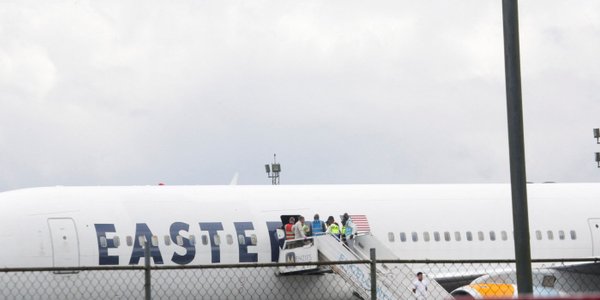
Official documents show that three deportation flights organized by U.S. Immigration and Customs Enforcement transported people to Burundi, Cameroon, the Central African Republic, Equatorial Guinea and Eswatini. A plane carrying deportees from the United States landed at Monrovia-Roberts International Airport in Liberia on Aug. 20, 2026.
The passengers included Afghans, Cubans and Nicaraguans, as well as people from Iran, Nepal, Turkey and Venezuela. Some African nationals were also detained and deported. The people sent to Africa had not come from the countries to which they were transferred.
The disclosures have brought attention to the Trump administration’s growing use of third-country deportation agreements. More than 30 countries in different regions, including Costa Rica, Panama and Paraguay, have agreed to accept people deported from the United States. An increasing number of African governments have also reached agreements, including the Central African Republic, the Democratic Republic of Congo and South Sudan.
The arrangements have sent people to countries facing armed conflict, political instability and human rights violations. Some deportees, including people sent to Eswatini and South Sudan, had criminal convictions as well as immigration violations. Others had no recorded criminal history beyond entering the United States unlawfully or lacking documents authorizing legal residence. Authorities in some receiving countries have jailed deportees convicted in the United States of serious violent crimes.
About this summary
Originally published by Rzeczpospolita in Polish. Translated, summarized, and contextualized automatically by DistantNews, with a note on how the source frames the story. Not individually reviewed before publishing. How this works.
More Stories


From Our Blog

What Gets Lost (and Found) When News Is Translated

The Critical Role of Diaspora Media in Global News

What Travellers Should Know About Countries with Restricted Press

A Digital Nomad's Guide to Following Local News

How the Same Story Looks Different in Different Countries
