


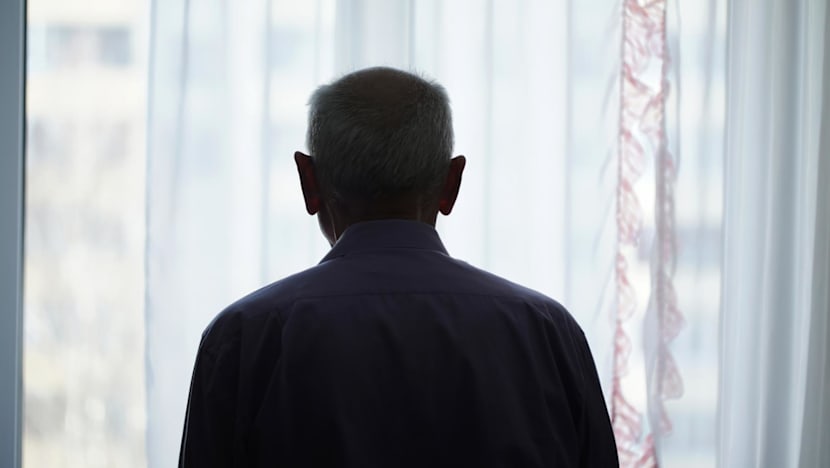
More than loneliness: Why older men may be more vulnerable to suicide
Summarized and contextualized by DistantNews.
At a glance
News
Named sources
Context piece
- Older men aged 60 and above in Singapore are disproportionately vulnerable to suicide, accounting for three in four deaths in that age group in 2024.
- Experts attribute this vulnerability to a combination of life transitions like retirement, declining health, and shrinking social circles, compounded by a reluctance to seek help.
- Traditional gender roles, where work often defines men's identity and social networks, can leave them unprepared for the loss of purpose and structure after retirement.
The retirement of older men in Singapore can be a period of profound vulnerability, with experts highlighting that suicide rates among men aged 60 and above are alarmingly high. In 2024, these men represented three-quarters of all suicides in that age bracket, a stark statistic underscoring a critical societal issue.
I think he felt that life in Singapore was very monotonous.
Experts point to a confluence of factors that contribute to this crisis. The transition into retirement often brings not just a loss of routine but also a significant blow to a man's sense of identity, particularly for those who have deeply intertwined their lives with their careers. Sociologist Professor Paulin Straughan notes that traditional gender roles have often led men to prioritize paid work above all else, neglecting the cultivation of hobbies and social networks. This can leave them facing an "empty four walls" upon retirement, stripped of the structure and purpose work once provided.
He just kept saying there was nothing to do.
Beyond career loss, the role of provider, deeply ingrained in many older men's self-worth, can also be challenged by retirement. Associate Professor Dr. Helen Ko explains that men raised to be the primary breadwinners may experience a decline in self-esteem when they are no longer working. However, there's a call to shift this perspective. Ms. Loh Yan Zhu of the Tsao Foundation encourages older men to redefine their purpose, moving from being material providers to becoming emotional pillars within their families and communities. This reframing is crucial for fostering well-being and resilience in later life.
They are so overcompensated in their commitment to paid work that they leave insufficient time for building social networks.
DistantNews Editorial
Originally published by CNA. Summarized and contextualized by our editorial team with added local perspective. Read our editorial standards.
More Stories


From Our Blog

What Gets Lost (and Found) When News Is Translated

The Critical Role of Diaspora Media in Global News

What Travellers Should Know About Countries with Restricted Press

A Digital Nomad's Guide to Following Local News

How the Same Story Looks Different in Different Countries
