


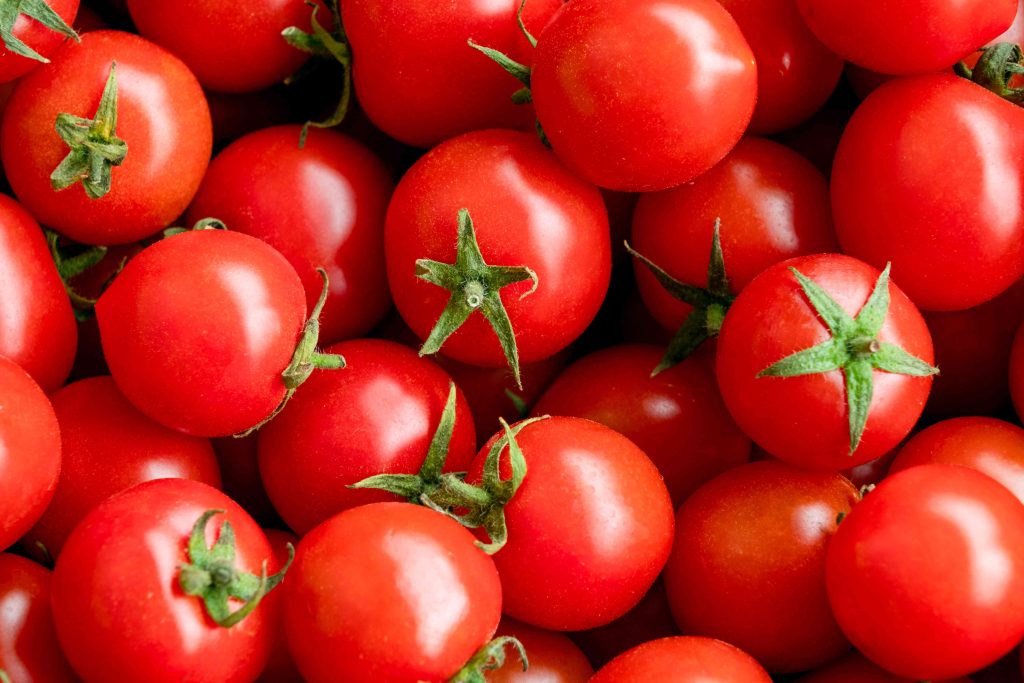
Moroccan produce flagged for toxic residues on European markets
Translated from French, summarized and contextualized by DistantNews.
At a glance
News
Named sources
Context piece
- European Union health alerts reveal that Moroccan agricultural exports contain toxic, carcinogenic, and environmentally harmful residues.
- Between 2025 and 2026, at least twenty alerts were issued for tomatoes and peppers due to high levels of heavy metals and pesticides.
- Several EU member states have implemented stricter border controls and laboratory analyses for Moroccan agricultural products.
Repeated alerts from the European Union's health surveillance system expose a persistent issue: Moroccan agricultural exports are frequently found to contain toxic, carcinogenic, and environmentally damaging residues at alarming levels. This situation is challenging Morocco's image as a model trading partner.
The alerts mention high levels of heavy metals and pesticide residues classified in the 'grave danger' category according to European health standards.
The EU's Rapid Alert System for Food and Feed (RASFF) has issued numerous warnings concerning agricultural products from Morocco in recent years. Specifically, between 2025 and 2026, at least twenty alerts were recorded for tomatoes and peppers, two key Moroccan export items to Europe. These alerts cited high concentrations of heavy metals and pesticides classified as posing a 'grave danger' under European health standards.
The substances detected are a serious concern. Some pesticides are banned or strictly regulated in Europe due to their endocrine-disrupting effects, chronic toxicity, and persistence in ecosystems. Certain detected chemicals are classified as potentially carcinogenic by the International Agency for Research on Cancer (IARC). In response to the growing number of alerts, several EU member states have intensified border controls and laboratory testing for shipments originating from Morocco.
Among the detected pesticides are molecules whose use has been banned or strictly regulated in Europe for years, notably due to their proven endocrine-disrupting effects, their chronic toxicity, and their persistence in soils and aquatic ecosystems.
This institutional response reflects a significant shift in how Morocco is perceived as an agricultural supplier. The EU maintains that the competitiveness of imported products should not come at the expense of circumventing European health standards. Trade agreements with third countries typically include health and phytosanitary clauses, highlighting the EU's commitment to safeguarding its internal market.
The EU has always defended the principle that the competitiveness of an imported product cannot be based on circumventing the health standards in force on the European internal market.
DistantNews Editorial
Originally published by El Watan in French. Translated, summarized, and contextualized by our editorial team with added local perspective. Read our editorial standards.
More Stories


From Our Blog

What Gets Lost (and Found) When News Is Translated

The Critical Role of Diaspora Media in Global News

What Travellers Should Know About Countries with Restricted Press

A Digital Nomad's Guide to Following Local News

How the Same Story Looks Different in Different Countries
