

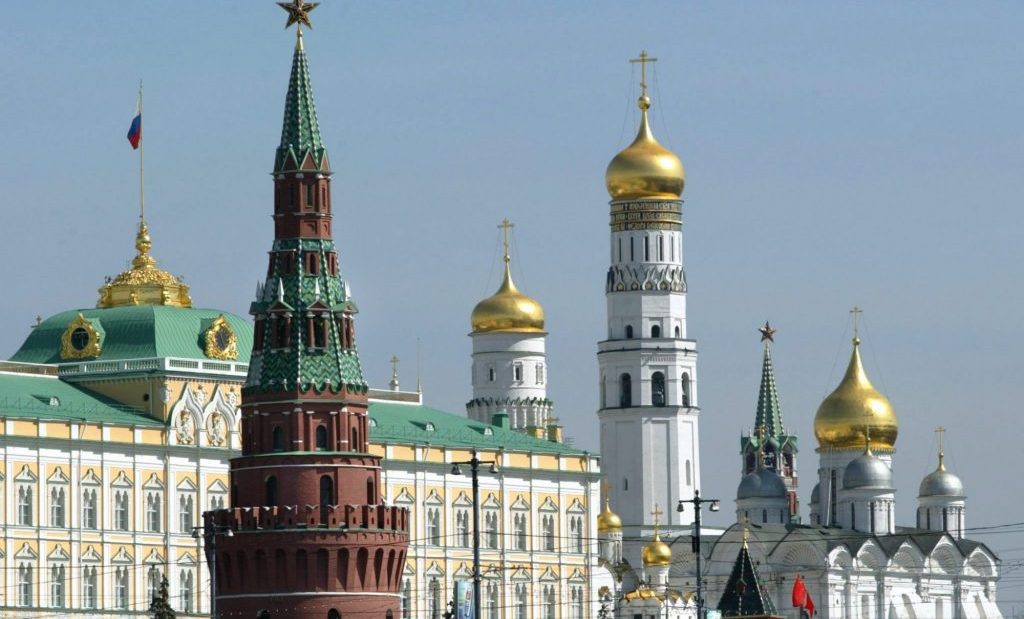

Moscow warns: 'Lack of dialogue with NATO could lead to military escalation'
Translated from Greek and summarized by DistantNews. Read the original for the full story.
At a glance
News
Sources not specified
Context piece
- Russia warns of increased risk of military escalation with NATO due to a lack of dialogue.
- Russian envoy Nikolai Kortsunov called for strengthening direct communication channels with Moscow.
- The absence of substantive communication increases the potential for dangerous misunderstandings.
Russia has issued a stark warning regarding the escalating risks of military confrontation with NATO, attributing the heightened danger to a critical lack of meaningful communication channels. Nikolai Kortsunov, Russia's envoy to Norway, emphasized that the absence of substantive dialogue significantly increases the potential for dangerous misunderstandings and unintended escalation.
In an interview with Politico, Kortsunov directly appealed to the North Atlantic Treaty Organization to bolster its direct contacts with Moscow. He underscored the urgent necessity of restoring communication across all levels of engagement between the two entities. This call highlights a perceived breakdown in diplomatic and military-to-military exchanges, which historically served to manage tensions and prevent miscalculations.
The Russian envoy's statement reflects a growing concern in Moscow about the current state of relations with the Western military alliance. The warning serves as a direct appeal for de-escalation through improved communication, suggesting that a failure to re-establish these vital links could lead to more severe military incidents. The emphasis is on proactive engagement to avert potential crises.
About this summary
Originally published by Ta Nea in Greek. Translated, summarized, and contextualized automatically by DistantNews, with a note on how the source frames the story. Not individually reviewed before publishing. How this works.
More Stories


From Our Blog

What Gets Lost (and Found) When News Is Translated

The Critical Role of Diaspora Media in Global News

What Travellers Should Know About Countries with Restricted Press

A Digital Nomad's Guide to Following Local News

How the Same Story Looks Different in Different Countries
