


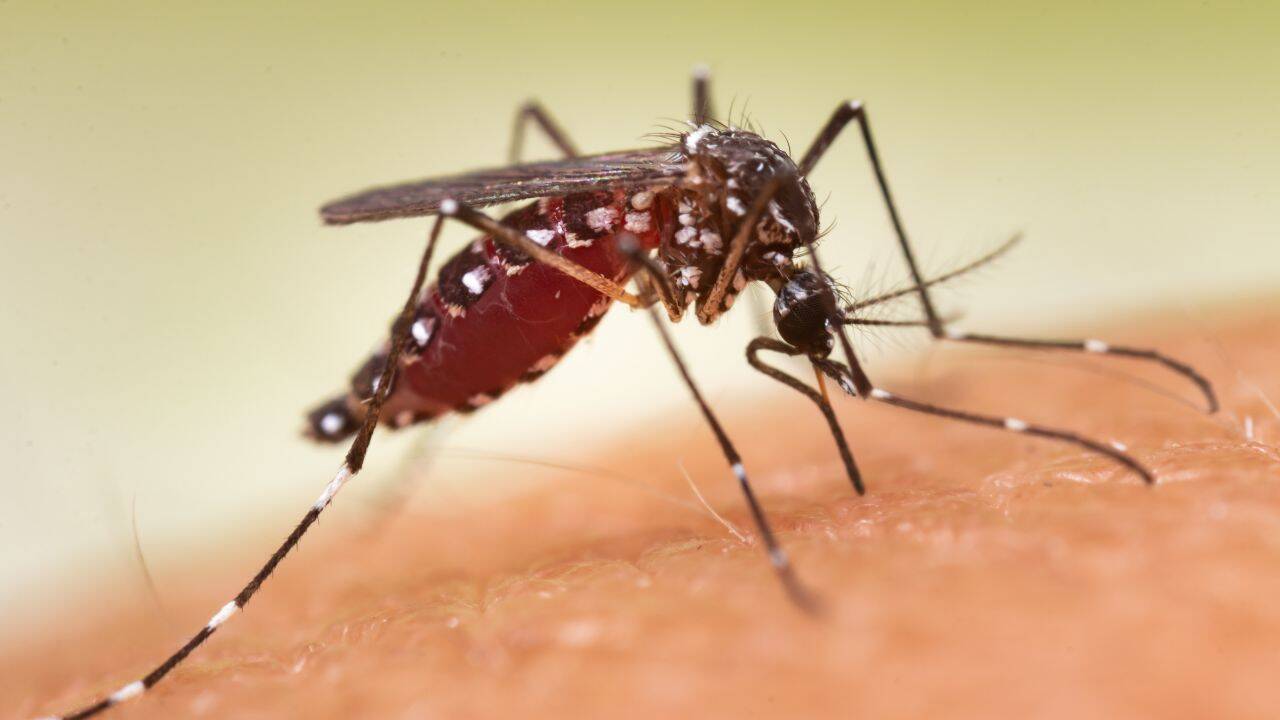
Mosquito Spraying Backfires as 84% Develop Resistance in US Neighborhoods
Translated from English, summarized and contextualized by DistantNews.
At a glance
News
Documents & data
Context piece
- Mosquito spraying in US neighborhoods is leading to widespread insect resistance, a new study reveals.
- Genetic markers for resistance are prevalent, particularly in wealthier areas with frequent spraying.
- The overuse of chemicals is diminishing insecticide effectiveness, prompting calls for integrated pest management strategies.
Routine mosquito spraying in several US neighborhoods is backfiring, with a new study indicating that 84% of mosquitoes in affected areas have developed resistance to the insecticides used. This widespread resistance is a growing concern for public health and pest control efforts.
The research highlights that genetic markers for resistance are now common across many residential blocks. Notably, the study found a higher prevalence of this resistance in wealthier neighborhoods where mosquito spraying occurs more frequently. This suggests that the intensity and frequency of chemical application may be accelerating the development of resistance in mosquito populations.
Experts warn that the overuse of these chemicals is making traditional insecticides less effective over time. This diminishing efficacy poses a challenge to controlling mosquito-borne diseases. The findings underscore the need for more sustainable and effective mosquito control methods, with integrated pest management (IPM) being proposed as a viable alternative. IPM strategies often combine biological controls, environmental modifications, and targeted chemical use to manage pests more effectively and reduce the risk of resistance.
DistantNews Editorial
Originally published by Times of India in English. Translated, summarized, and contextualized by our editorial team with added local perspective. Read our editorial standards.
More Stories



From Our Blog

What Press Freedom Means for the News You Read

What Gets Lost (and Found) When News Is Translated

The Critical Role of Diaspora Media in Global News

What Travellers Should Know About Countries with Restricted Press

A Digital Nomad's Guide to Following Local News
