


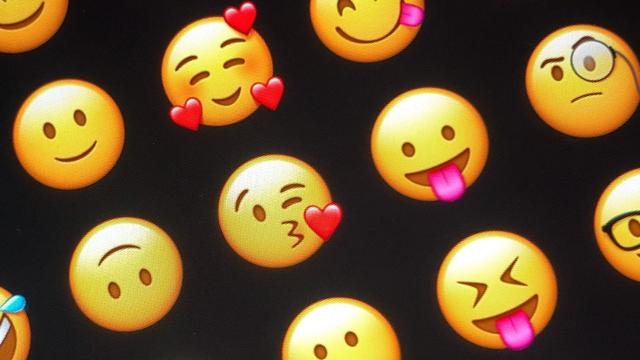
World Emoji Day: Nine in Ten Germans Use Emojis
Translated from German, summarized and contextualized by DistantNews.
At a glance
News
Documents & data
New plan
- Nine out of ten people in Germany aged 16 and over use emojis, according to a survey.
- Younger generations, particularly Gen Z, use emojis more frequently than older demographics.
- Despite widespread use, 43% of respondents find it difficult to understand the meaning of some emojis.
Emojis have become a near-universal language in digital communication, with a recent survey revealing that only 10% of Germans aged 16 and older report not using them at all. The study, commissioned by the digital association Bitkom, highlights the pervasive nature of these digital icons.
Across the board, nine out of ten individuals utilize emojis. A significant portion, 26%, incorporate them into every message they send, while 36% use them in the majority of their communications. Another 20% use emojis in a few messages, and 7% use them sparingly.
Younger demographics, specifically those aged 16 to 29, show the highest engagement. Within this Generation Z cohort, 36% use emojis in every message, and an additional 43% use them in most messages. In stark contrast, only 14% of those aged 65 and older use emojis in every message, with 26% using them in the majority of their messages. Notably, about a quarter of this older group, often referred to as "Boomers," do not use emojis at all.
Only ten percent of those over 16 in this country do not use them at all.
Despite their widespread adoption, a considerable number of users express confusion over their meanings. 43% of respondents admit that the meaning of individual emojis is not always clear to them. This confusion is particularly prevalent among older users, with nearly 50% of those over 65 expressing uncertainty, while 36% of those under 30 share similar sentiments.
When it comes to preferred emoji themes, Germans tend to favor positive expressions. Emojis related to laughter and joy are the most popular, cited by 12% of emoji users. Love and heart symbols follow closely at 11%, with gestures like thumbs-up, clapping, and waving rounding out the top choices.
I am not always sure what the individual emojis mean.
DistantNews Editorial
Originally published by Die Zeit in German. Translated, summarized, and contextualized by our editorial team with added local perspective. Read our editorial standards.
More Stories



From Our Blog

What Gets Lost (and Found) When News Is Translated

How the Same Story Looks Different in Different Countries

The Critical Role of Diaspora Media in Global News

What Travellers Should Know About Countries with Restricted Press

A Digital Nomad's Guide to Following Local News
