

Moth outbreak kills Siberian forests, turning them into wildfire fuel
Translated from English, summarized and contextualized by DistantNews.
At a glance
News
Documents & data
Context piece
- A Siberian silk moth outbreak has killed vast swathes of Siberian forests, leaving behind deadwood that is now fueling uncontrollable wildfires.
- The moth caterpillars defoliate trees over several consecutive seasons, leading to tree death in the cold, dry climate where they do not decompose.
- These dead trees create a tinderbox effect, making the region highly susceptible to wildfires, exacerbated by hot and dry summer conditions.
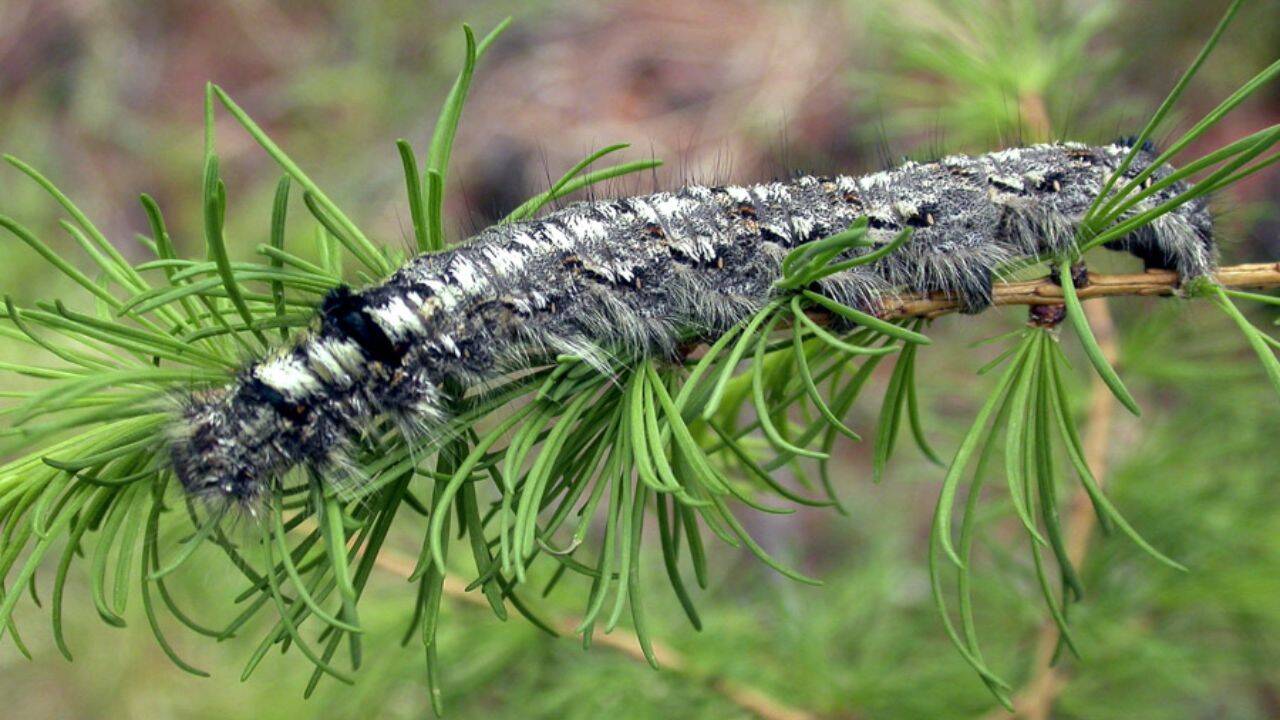
Siberia's forests are burning, transformed into a tinderbox by an insect outbreak that has killed trees across vast regions. The culprit is the Siberian silk moth (Dendrolimus sibiricus), whose caterpillars have stripped needles from fir, spruce, larch, and pine trees over recent years. In the cold, dry climate, these dead trees stand upright and do not decompose, creating a highly flammable landscape.
This year, unusually hot and dry summer conditions have ignited these dead forests, leading to wildfires spreading beyond human control. The Siberian silk moth outbreaks are a recurring phenomenon, typically occurring every ten to eleven years and lasting for two to three seasons. A single outbreak can devastate hundreds of thousands of hectares.
Research into the moth's life cycle reveals complex factors influencing its population dynamics, with distinct molecular signatures suggesting a more intricate mechanism than just temperature or food availability. While a conifer can usually survive losing its needles once, consecutive years of defoliation prove fatal. This deadwood, now fueling the current fires in Krasnoyarsk, was likely a result of an outbreak that peaked years prior to this fire season.
DistantNews Editorial
Originally published by Times of India in English. Translated, summarized, and contextualized by our editorial team with added local perspective. Read our editorial standards.
More Stories
From Our Blog

What Press Freedom Means for the News You Read

What Gets Lost (and Found) When News Is Translated

The Critical Role of Diaspora Media in Global News

What Travellers Should Know About Countries with Restricted Press

A Digital Nomad's Guide to Following Local News
