


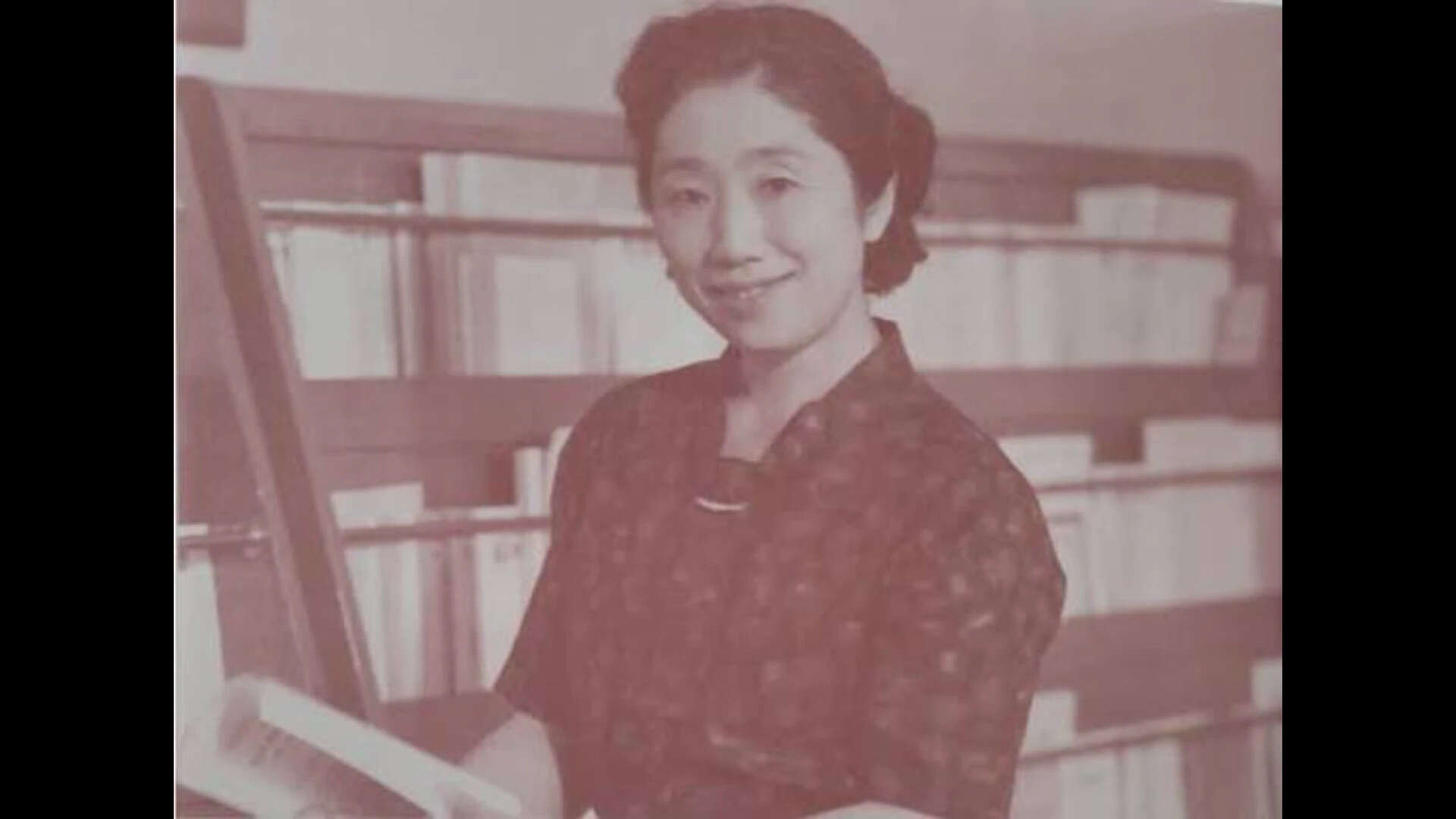
Mother of Ikigai: 'The Meaning of Life is Like the Morning'
Translated from English, summarized and contextualized by DistantNews.
At a glance
In-depth
Sources not specified
Context piece
- Mieko Kamiya, considered the mother of ikigai psychology, explored finding a reason to live amidst suffering, particularly among leprosy patients.
- Her 1966 book, "Ikigai-ni-tsuite," studied the meaning of life as something to be discovered, not created, likening it to the morning.
- Kamiya's perspective emphasizes gratitude for life as an unearned gift, shifting focus from control to appreciating the opportunity each new day offers.
Mieko Kamiya, a Japanese psychiatrist and researcher, is remembered as the mother of ikigai psychology, a concept exploring the meaning of life. Her profound insights stemmed from her work with patients suffering from Hansen's disease, or leprosy, at the Nagashima Aiseien Sanatorium. In an era of severe social stigma and isolation for these patients, Kamiya dedicated her career to understanding how individuals could find a reason to persevere when stripped of their former lives.
Kamiya's seminal 1966 book, "Ikigai-ni-tsuite" (About Ikigai), predates Western self-help trends that often frame ikigai as a career tool. Instead, she delved into it as a psychological reality, investigating what makes life feel worthwhile from an internal perspective. Her philosophy suggests that the purpose of life, or ikigai, is not something to be manufactured but rather discovered, much like the morning that greets us each day without our intervention.
"We did not create the morning; it somehow came to give us the chance to live another day. We wake up and discover the morning. The meaning of life is like the morning," Kamiya wrote. This perspective encourages a shift from a mindset of demanding control to one of gratitude. By recognizing that a new day is an unearned gift, individuals can approach life with a sense of appreciation for the opportunity it presents, rather than a sense of entitlement.
This approach was particularly vital for the leprosy patients Kamiya treated, for whom long-term goals might have seemed unattainable. Her philosophy offered a framework for finding meaning in the present moment, emphasizing that life's value is not solely dependent on grand achievements but on the simple, recurring gift of another day. Kamiya's work highlights a deep humility in acknowledging that life's opportunities, like the sunrise, arrive independently of human effort.
When we wake up from sleep, we are greeted by the morning. We did not create the morning; it somehow came to give us the chance to live another day. We wake up and discover the morning. The meaning of life is like the morning.
DistantNews Editorial
Originally published by Times of India in English. Translated, summarized, and contextualized by our editorial team with added local perspective. Read our editorial standards.
More Stories


From Our Blog

What Press Freedom Means for the News You Read

What Gets Lost (and Found) When News Is Translated

The Critical Role of Diaspora Media in Global News

What Travellers Should Know About Countries with Restricted Press

A Digital Nomad's Guide to Following Local News
