


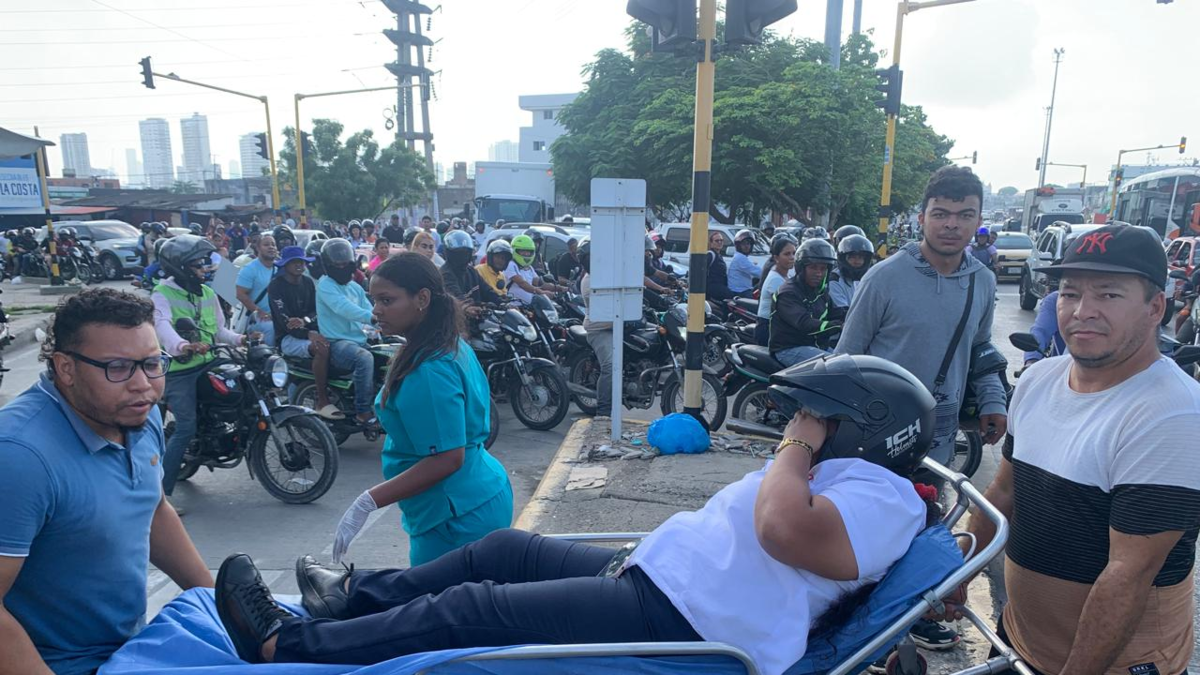
Motorcycles Continue to Cause the Most Road Deaths: 1,481 Motorcyclists Died in the First Quarter of This Year, Nearly 16.5 Deaths Per Day
Translated from Spanish, summarized and contextualized by DistantNews.
At a glance
News
Named sources
Context piece
- Road accidents in Colombia claimed 1,481 motorcyclist lives in the first quarter of this year, averaging 16.5 deaths daily.
- Motorcyclists accounted for 66% of all traffic fatalities in 2025, and were involved in 8 out of 10 fatal accidents.
- The article highlights that road safety is a shared responsibility involving citizens and organizations, with cities like Medellín and Bogotá using technology, such as interconnected cameras, to improve monitoring and prevention.
Colombia is grappling with a severe road safety crisis, with motorcycles emerging as the primary culprits in traffic fatalities. The stark reality is that in the first three months of this year alone, 1,481 motorcyclists lost their lives on the nation's roads – an average of nearly 17 deaths per day. This alarming figure underscores a persistent trend, as motorcyclists constituted 66% of all traffic fatalities in 2025 and were implicated in a staggering 80% of fatal accidents.
Road accidents, in the first quarter of this year, leave a balance of 1,481 motorcyclist deaths, an average of 16.5 deaths per day.
The human cost of this ongoing tragedy is immense, with young people disproportionately affected. Approximately 30% of victims are children, adolescents, and young adults. For the age group of 10 to 14 years, traffic accidents have tragically become the leading cause of death. While the data shows a higher fatality rate among men (81% of victims), women are also significantly impacted, representing nearly 19% of those who have died on the roads.
In 2025, 66% of the deceased were motorcyclists, and in 8 out of 10 fatal accidents, a motorcycle was involved.
Experts like Juan Pablo Bocarejo, head of the Civil and Environmental Engineering department at the University of Los Andes, emphasize the critical role of data and road safety observatories in tackling this issue. By identifying high-risk locations and understanding the root causes of accidents, authorities can implement more targeted and effective measures. Cities such as Medellín and Bogotá are pioneering the use of technology, integrating traffic control and security cameras to enhance monitoring and response capabilities. With over 5,000 cameras in Medellín and more than 10,000 in Bogotá, these urban centers are leveraging data analytics to better comprehend and manage traffic dynamics.
Having data and developing road safety observatories is very important, because that data allows them to take measures in the most critical sites and attack the causes of the most serious road accidents.
However, the responsibility for road safety extends beyond technological solutions and government agencies. Bocarejo stresses that it is a collective endeavor, requiring the active participation of all citizens and organizations. Initiatives in cities like Neiva and Arauca focus on fostering a sense of co-responsibility among communities, recognizing that a cultural shift towards safer driving practices is essential. Despite the escalating crisis, the sale of motorcycles continues to rise, adding complexity to efforts aimed at curbing these devastating statistics.
Road safety is not the sole responsibility of a traffic or transport authority, but rather involves all citizens and all city and departmental organizations.
DistantNews Editorial
Originally published by El Tiempo in Spanish. Translated, summarized, and contextualized by our editorial team with added local perspective. Read our editorial standards.
More Stories

From Our Blog

What Gets Lost (and Found) When News Is Translated

The Critical Role of Diaspora Media in Global News

What Travellers Should Know About Countries with Restricted Press

A Digital Nomad's Guide to Following Local News

How the Same Story Looks Different in Different Countries
