


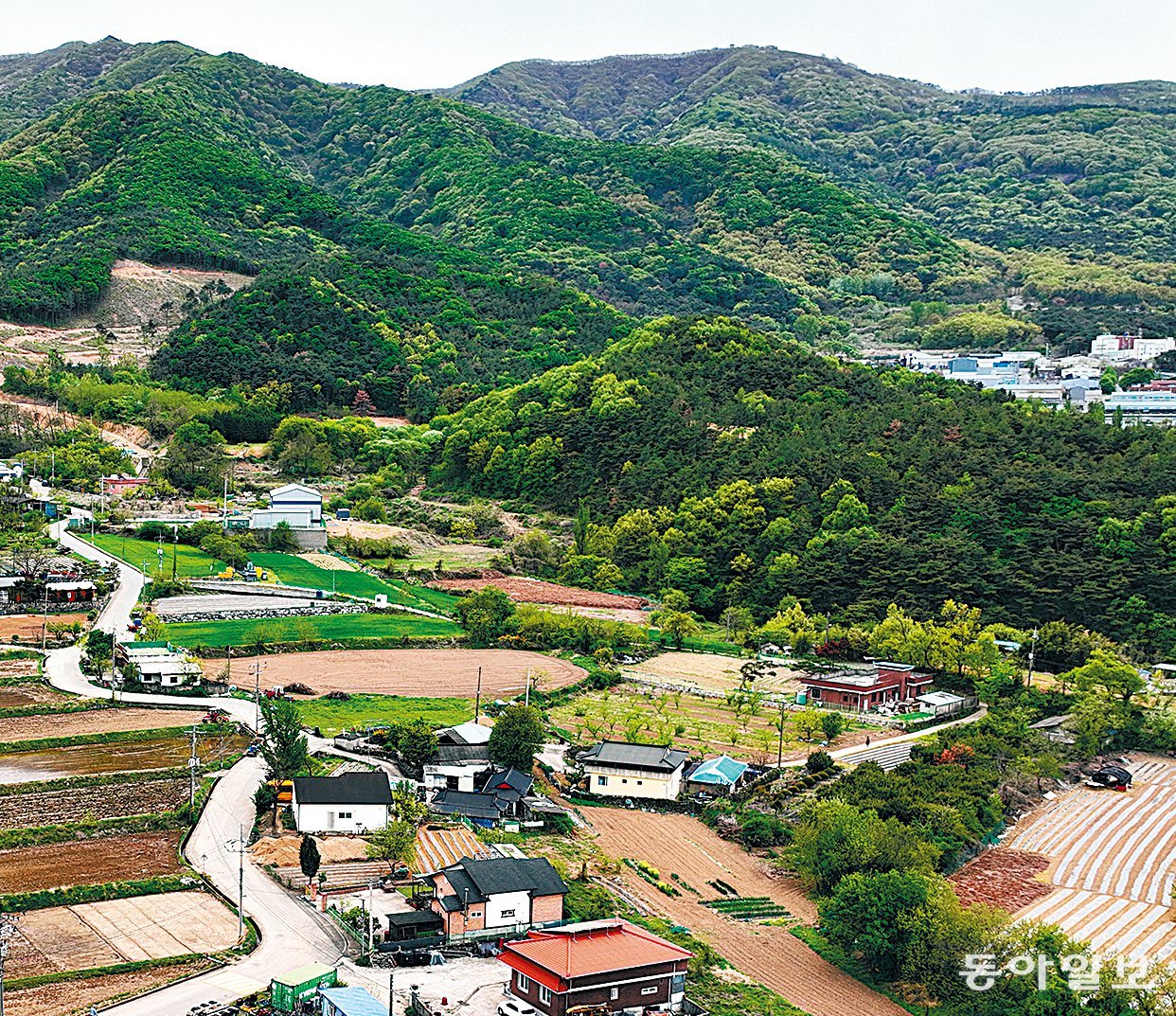
Mountain Village Springs to Life with Flower Tea and Meditation Tourism
Translated from Korean, summarized and contextualized by DistantNews.
TLDR
- A South Korean mountain village revitalized by nature-based tourism, attracting young visitors with flower tea and meditation programs.
- The village saw a significant increase in overnight stays and revenue after implementing new programs supported by the Korea Forest Service.
- This model of increasing
In the heart of Gyeongsangbuk-do, the small mountain village of Haksu Godae has transformed from a quiet, overlooked hamlet into a vibrant hub of activity, all thanks to a strategic embrace of its natural surroundings. As reported by Dong-A Ilbo, the village's revitalization is a testament to the power of tailored tourism, particularly its success in drawing younger demographics through unique experiences like flower tea ceremonies and forest meditation.
Since the flower tea meditation program started last year, many young people have been visiting. The quiet village is bustling with people every weekend.
The initiative, supported by the Korea Forest Service's 'Mountain Village Vitalization Special Project,' has reconfigured the village's offerings. Gone are the days of relying solely on traditional attractions; instead, Haksu Godae now boasts 'Sound Walking' tours that immerse visitors in the natural soundscape and 'meditation tea' crafted from local wildflowers. This shift has not only boosted the village's economy, with total revenue jumping significantly, but has also fostered a sense of community and encouraged new residents to settle, reversing the trend of population decline.
What makes this story particularly resonant in Korea is its focus on 'staying population' – individuals who may not be permanent residents but frequent the area, contributing to the local economy. This approach recognizes that revitalizing rural areas doesn't always mean attracting permanent settlers overnight. Instead, by creating appealing, immersive experiences, villages like Haksu Godae can build sustainable economic activity that benefits existing residents and encourages a gradual influx of new ones. This contrasts with some Western approaches that might focus more on large-scale infrastructure or permanent relocation incentives.
Many of the visitors who come for unique experiences now stay for more than a day. Some even start looking for houses here or express a desire to live here.
The success of Haksu Godae, alongside similar projects in Gapyeong and Jinan, highlights a growing trend in South Korea to leverage the country's natural beauty for economic and social renewal. It's a narrative of local ingenuity, community collaboration, and a deep appreciation for the restorative power of nature, offering a hopeful blueprint for other rural communities facing similar challenges.
Increasing the staying population can revitalize the local economy through accommodation, experiences, and consumption, and the revived local economy can, in turn, increase the registered population, creating a virtuous cycle.
DistantNews Editorial
Originally published by Dong-A Ilbo in Korean. Translated, summarized, and contextualized by our editorial team with added local perspective. Read our editorial standards.
More Stories


From Our Blog

What Gets Lost (and Found) When News Is Translated

The Critical Role of Diaspora Media in Global News

What Travellers Should Know About Countries with Restricted Press

A Digital Nomad's Guide to Following Local News

How the Same Story Looks Different in Different Countries
