

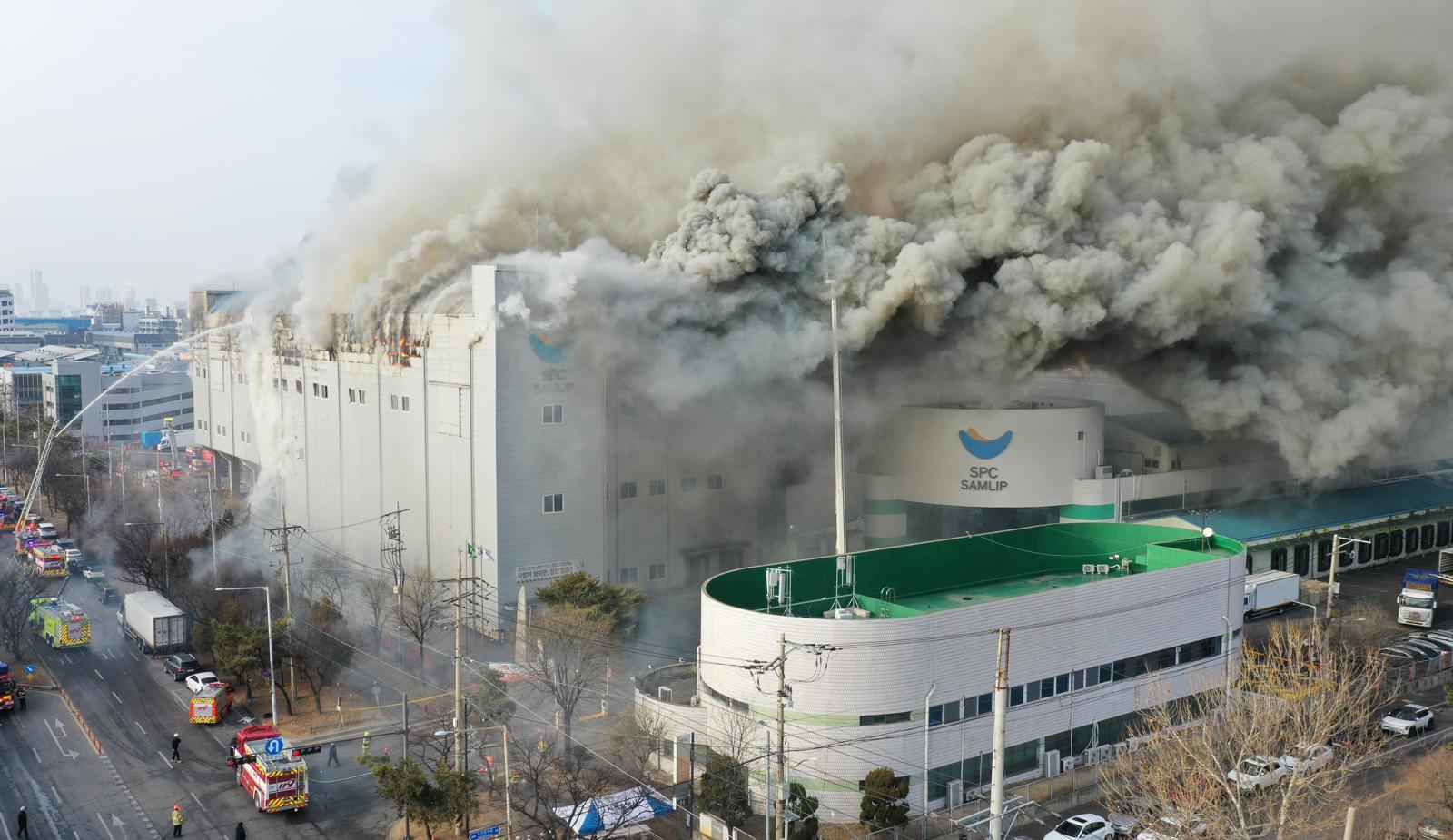

Muan Airport disaster remains confirmed as 64 victims' remains
Translated from Korean, summarized and contextualized by DistantNews.
At a glance
News
Named sources
Ongoing story
- Remains discovered during a re-search at Muan International Airport have been confirmed as the remains of 64 victims from a past aviation disaster.
- Families of the victims expressed outrage over the government's inadequate initial search efforts and demanded accountability.
- The re-search, which faced a temporary halt due to soil contamination, is set to resume, with further analysis of discovered materials pending.
Remains found during a re-search at Muan International Airport have been identified as belonging to 64 victims of a past aviation disaster, a development that has reignited anger among the victims' families. The families are demanding accountability for what they describe as the government's negligent search efforts.
How does the state think of the 179 victims, and how much does it disregard the families, that so many remains are (late) discovered?
The National Forensic Service informed the families on June 8 that out of 233 suspected remains discovered between April 13 and April 16, 195 were confirmed as human remains. The remaining 38 items were either inconclusive for DNA, non-human materials, or stones. This confirmation follows a broader re-search effort where a total of 1,446 suspected items were recovered, with further analysis pending.
Families gathered at a memorial in Gwangju expressed their grief and frustration. Jeong Hyeon-gyeong, who lost her daughter, questioned how the state could treat victims with such disregard, leading to the late discovery of so many remains. She stated, "The responsible parties must be punished."
The responsible parties must be punished.
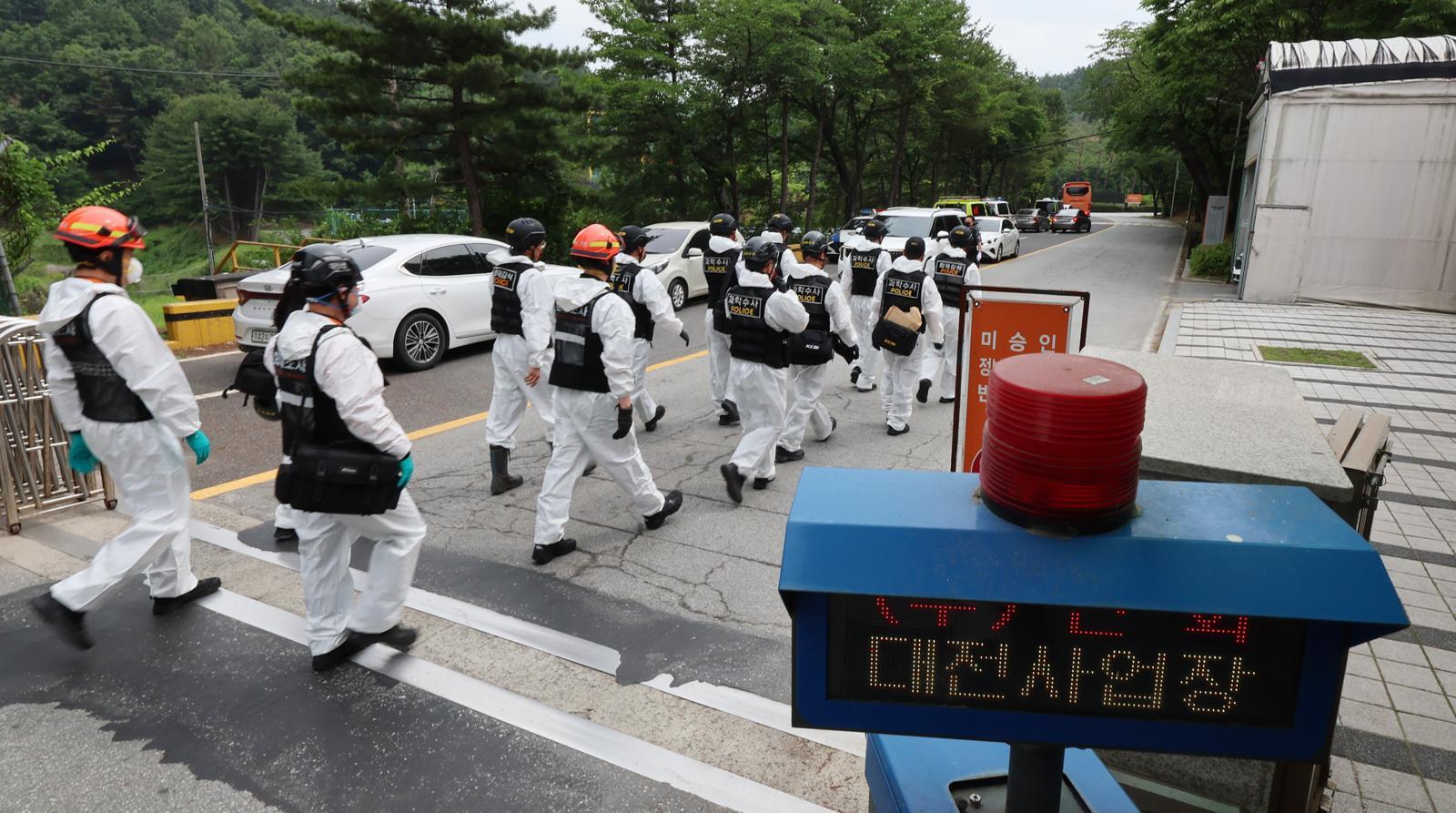
Kim Young-hyeon, who lost his wife and two sons, spoke of the unspoken pain among the families. The re-search was temporarily suspended on May 11 due to cadmium detection in the soil behind the aircraft's localizer, raising safety concerns. The search is scheduled to resume on June 15, employing safety equipment and a sifting process to identify potential remains.
Families are unable to speak to each other for fear of hurting each other's feelings. Does the state truly exist?
DistantNews Editorial
Originally published by Hankyoreh in Korean. Translated, summarized, and contextualized by our editorial team with added local perspective. Read our editorial standards.
More Stories


From Our Blog

What Gets Lost (and Found) When News Is Translated

The Critical Role of Diaspora Media in Global News

What Travellers Should Know About Countries with Restricted Press

A Digital Nomad's Guide to Following Local News

How the Same Story Looks Different in Different Countries
