

Munich's Kocherlball: Thousands Dance in English Garden as UNESCO Bid Looms
Translated from German, summarized and contextualized by DistantNews.
At a glance
News
Sources not specified
Context piece
- Thousands of dancers are expected at Munich's traditional Kocherlball in the English Garden, a celebration dating back over 140 years.
- The event, which began as a gathering for domestic staff, was revived in 1989 after being banned for "indecency" in 1904.
- An association is seeking to have the Kocherlball recognized as a UNESCO World Heritage site, citing its historical roots and vibrant tradition.
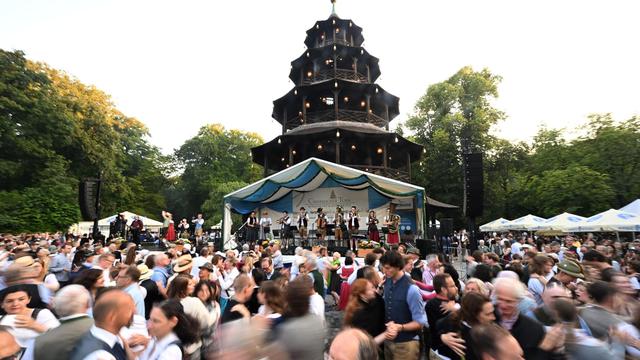
Munich's English Garden is set to host the traditional Kocherlball today, with thousands of dancers expected to participate. The event begins early at 6:00 AM at the Chinese Tower, where attendees dance together to welcome the day. This historic gathering, which has taken place for over 140 years, is now being considered for UNESCO World Heritage status by a local association.
The conditions for this are met.
The Kocherlball originated in the 19th century as a Sunday gathering for the city's domestic staff. They would meet to dance and celebrate before their employers returned from church. The name "Kocherl" itself is a Munich dialect term for kitchen staff. However, the tradition was banned in 1904 by authorities citing "indecency" and was largely forgotten for decades.
The Kocherlball was revived in 1989 during the 200th anniversary celebration of the English Garden. Since then, it has been held annually on the third Sunday of July. The association for the preservation of beer garden traditions believes the ball's long history, enduring popularity, vitality, adaptability, and inclusivity make it a strong candidate for World Heritage recognition. They aim to prepare a nomination by 2029.
The Kocherlball has existed in Munich for more than 140 years.
The Haberl family of restaurateurs has hosted the ball since its revival. On stage, dance instructors Katharina Mayer and Magnus Kaindl guide participants through traditional dances like the Landler, Polka, and Zwiefacher, ensuring even novices can keep up while dressed in traditional costumes.
In 1904, the Kocherlball was banned by the authorities for 'indecency' and was forgotten for a long time.
DistantNews Editorial
Originally published by Die Zeit in German. Translated, summarized, and contextualized by our editorial team with added local perspective. Read our editorial standards.
More Stories



From Our Blog

What Gets Lost (and Found) When News Is Translated

How the Same Story Looks Different in Different Countries

The Critical Role of Diaspora Media in Global News

What Travellers Should Know About Countries with Restricted Press

A Digital Nomad's Guide to Following Local News
