

Must one prepare for war in Central Europe? "It is already here today"
Translated from German, summarized and contextualized by DistantNews.
At a glance
Opinion
Named sources
Context piece
- Austrian politicians from various parties discuss the possibility of war in Central Europe and the future of the European Union.
- Some believe a war is already underway in a hybrid form, targeting infrastructure and democratic institutions.
- There is a consensus that the EU needs reform to address security, competitiveness, and democratic challenges, though opinions differ on the extent of integration.
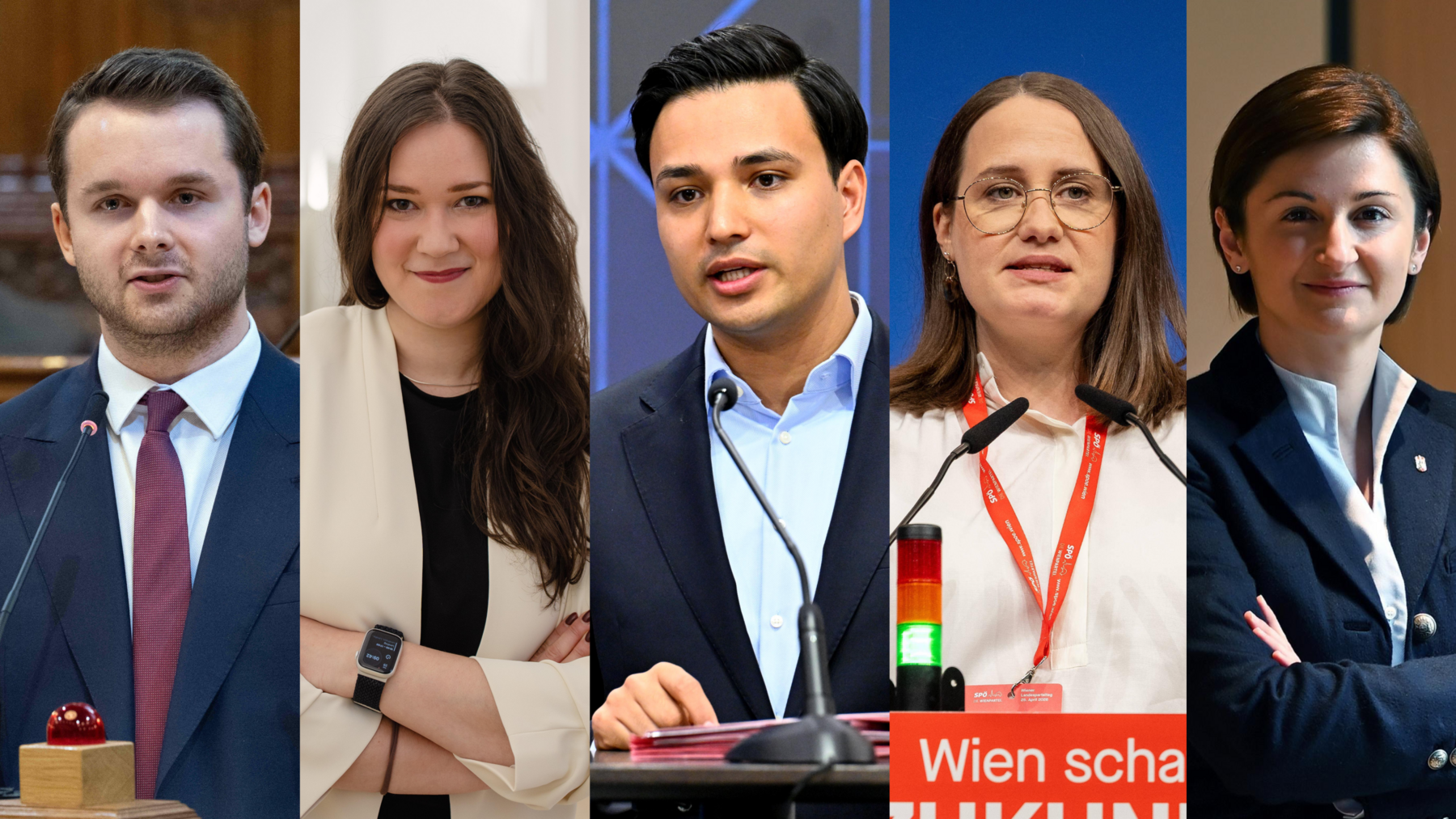
Austrian politicians from across the political spectrum are weighing in on the potential for future conflict in Central Europe and the necessary evolution of the European Union. Yannick Shetty, Neos club leader in the National Council, posits that Europe has historically progressed through crises, envisioning Austria as a proud member of a "United States of Europe" by 2050. He argues that a hybrid war is already occurring, targeting infrastructure and democratic institutions with new technologies like AI and drones, necessitating greater European defense cooperation.
Marina Hanke, head of the SPÖ Women in Vienna, agrees that the EU must change, advocating for a more democratic and agile bloc committed to human rights, women's rights, and peace. She envisions an EU with crisis-resilient democracies that lead in research, modern work environments, and social standards. Harald Zierfuß, ÖVP club leader in Vienna, emphasizes the indispensability of the EU's freedoms for his generation but calls for less regulation and more focus on security, competitiveness, and migration, rejecting a centralized, nation-state-less Europe. He notes the EU has drifted from citizens' concerns.
Marlene Svazek, Vice-Governor and FPÖ leader in Salzburg, anticipates future challenges, questioning the EU's capacity to renew itself and effectively address issues like declining competitiveness, global power shifts, and eroding national identities. She opposes a centralized, uniform state. Anne-Sophie Bauer, a Green Party representative, expresses hope for a stronger EU, viewing a united Europe as a given for her generation, raised with open borders and the Euro. She warns that Austria cannot stand alone against global powers like Trump, Putin, and China.
Regarding the prospect of war, Shetty asserts that hybrid warfare is already a reality in Central Europe. Hanke, however, focuses on responding to current wars, lamenting the silencing of peace voices and the normalization of harshness, advocating for diplomacy over escalation. Zierfuß acknowledges that peace is not a given, citing the proximity of conflict, and stresses the importance of serious national defense for Austria.
DistantNews Editorial
Originally published by Die Presse in German. Translated, summarized, and contextualized by our editorial team with added local perspective. Read our editorial standards.
More Stories
From Our Blog

What Gets Lost (and Found) When News Is Translated

The Critical Role of Diaspora Media in Global News

What Travellers Should Know About Countries with Restricted Press

A Digital Nomad's Guide to Following Local News

How the Same Story Looks Different in Different Countries
