


Myanmar: New President Pardons Thousands, Commutes Death Sentences to Life Imprisonment
Translated from Finnish, summarized and contextualized by DistantNews.
TLDR
- Myanmar's new president, Min Aung Hlaing, has pardoned over 4,300 prisoners and commuted all death sentences to life imprisonment.
- Sentences for life imprisonment will be reduced to 40 years, and other sentences will be shortened by one-sixth, with 179 foreign prisoners to be deported.
- This move follows Min Aung Hlaing's election as president on April 3rd, after the 2021 military coup, though the election is described as political theater with no real choice for citizens.
In a significant move, Myanmar's new president, Min Aung Hlaing, who also leads the military junta, has ordered the release of over 4,300 prisoners. This broad pardon includes commuting all death sentences to life imprisonment and reducing existing life sentences to 40 years. The decision, announced on April 17th, also affects 179 foreign nationals who are set to be deported.
This wave of amnesties, typically granted around Independence Day in January and the local New Year in April, comes shortly after Min Aung Hlaing's formal election as president on April 3rd. This election, the first since the 2021 military coup, is widely viewed within Myanmar and internationally as a carefully staged political maneuver, offering citizens no genuine opportunity to influence the outcome. The junta's consolidation of power through these orchestrated events continues to be a major point of contention.
The former president Win Myint, who was ousted in the military coup, also had his sentence shortened.
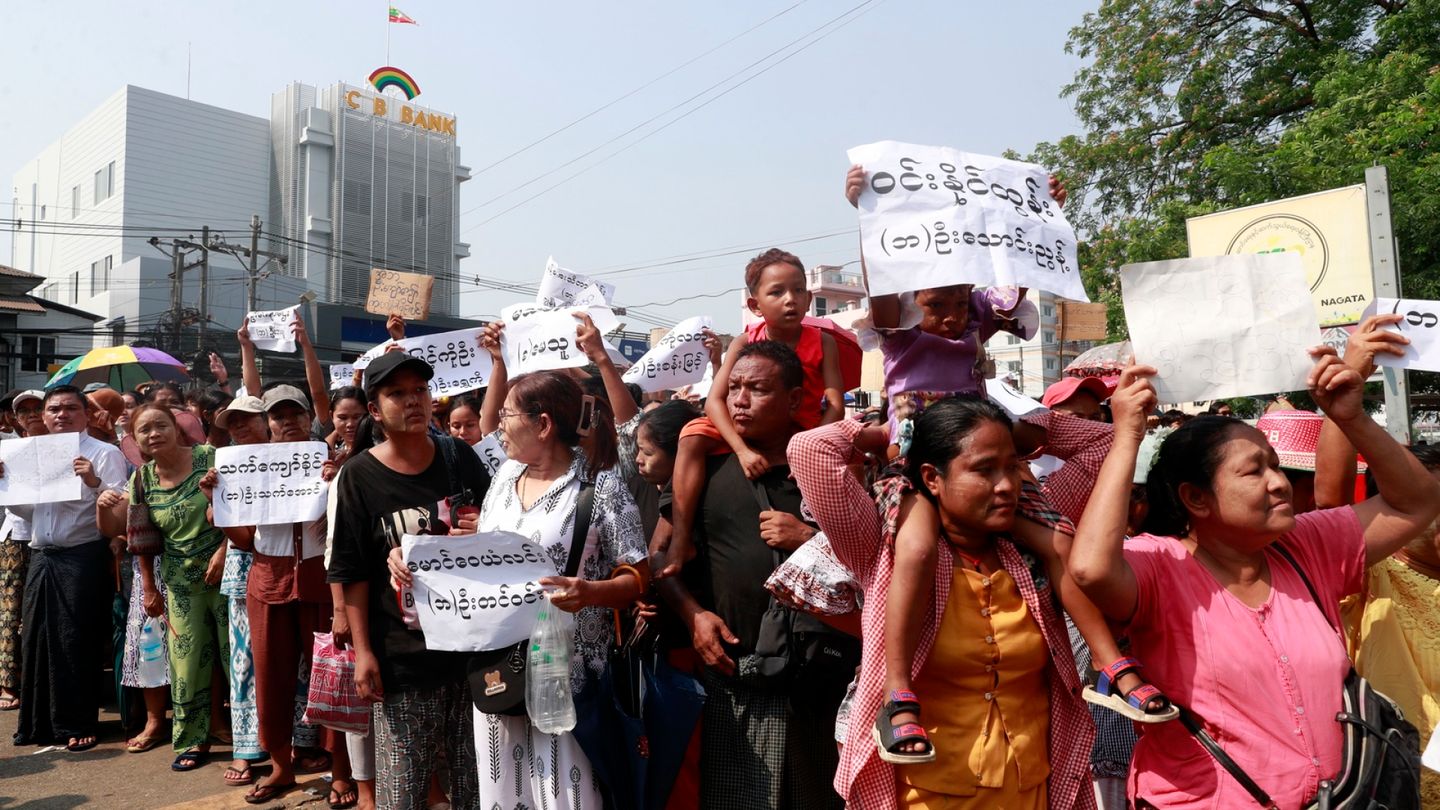
The pardons come at a time when human rights organizations report that over 30,000 people have been arrested on political grounds since the coup. Among those detained are prominent figures like the ousted civilian leader Aung San Suu Kyi and former president Win Myint, along with numerous activists and members of anti-junta groups. The inclusion of Win Myint among the pardoned is notable, while Aung San Suu Kyi's sentence has reportedly been reduced by one-sixth, though she remains imprisoned.
From a Myanmar perspective, these amnesties are viewed with a mixture of hope and deep skepticism. While the release of prisoners, particularly those detained on political charges, is welcomed by families and rights groups, it is often seen as a tactic by the military junta to manage international perception and quell internal dissent. The reduction of sentences, rather than outright releases for many political prisoners, highlights the continued control exerted by the military. Western media often focuses on the democratic deficit and the junta's oppressive tactics, but within Myanmar, there is also a pragmatic understanding of these actions as calculated political moves aimed at maintaining power, rather than genuine steps towards reconciliation or democratic reform. The true impact of these pardons will be measured by whether they lead to lasting change or are merely a temporary reprieve.
His lawyer told Reuters on Friday that Aung San Suu Kyi's sentence was reduced by one-sixth.
DistantNews Editorial
Originally published by Helsingin Sanomat in Finnish. Translated, summarized, and contextualized by our editorial team with added local perspective. Read our editorial standards.
More Stories


From Our Blog

What Gets Lost (and Found) When News Is Translated

The Critical Role of Diaspora Media in Global News

What Travellers Should Know About Countries with Restricted Press

A Digital Nomad's Guide to Following Local News

How the Same Story Looks Different in Different Countries
