

Mysteries of a Great Dacian Fortress in the Shadow of Sarmizegetusa Regia: 'From 2024, We Will Speak of Five Temples'
Translated from Romanian, summarized and contextualized by DistantNews.
At a glance
In-depth
Sources not specified
Context piece
- The Costești-Cetățuie Dacian fortress, once the most famous in Romania, is being studied alongside Sarmizegetusa Regia.
- A summer school for archaeology and architecture students is documenting ancient monuments at both sites.
- Archaeologist Răzvan Mateescu highlights the importance of interdisciplinary collaboration for understanding and protecting these UNESCO World Heritage sites.
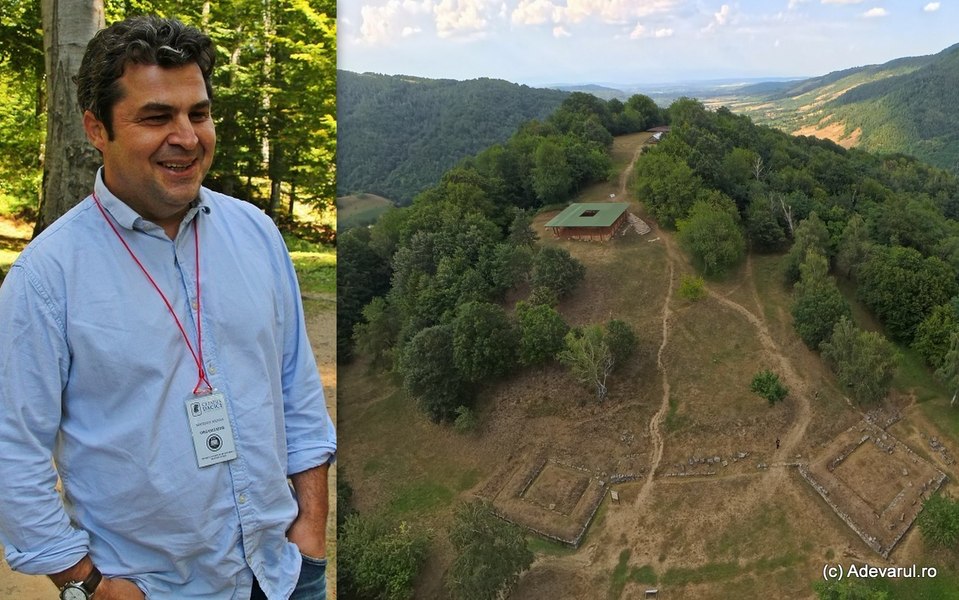
The ancient Dacian fortress of Costești-Cetățuie, long considered Romania's most renowned Dacian settlement, is regaining scholarly attention. While its ruins have been known since the 19th century, extensive archaeological research began in 1924. Local tales of hidden treasures and early explorations by figures like King Michael I underscore the site's historical mystique.
In recent years, Costești-Cetățuie has been somewhat overshadowed in popularity by the nearby Sarmizegetusa Regia, the ancient capital, especially following modern access improvements and significant discoveries there. However, both fortresses are integral parts of the UNESCO World Heritage site in the Orăștie Mountains and continue to attract both tourists and researchers.
The basic idea of this summer school is to bring together students from the field of archaeology and students from the field of architecture.
This July, the two Dacian fortresses served as an open-air classroom for a summer school program. Students from Cluj-Napoca, Bucharest, and Timișoara, specializing in architecture, archaeology, and history, participated in the sixth edition of the "ArheoArhitectura" (ArchaeoArchitecture) Summer School. For two weeks, they worked alongside archaeologists, architects, and heritage conservation specialists to research and document the ancient monuments at Costești-Cetățuie and Sarmizegetusa Regia.
Răzvan Mateescu, an archaeologist at the National Museum of Transylvanian History and scientific lead for the Sarmizegetusa Regia archaeological site, emphasized the value of this interdisciplinary approach. He explained how the collaboration between archaeology and architecture students enhances the understanding, protection, and promotion of these vital Dacian heritage sites.
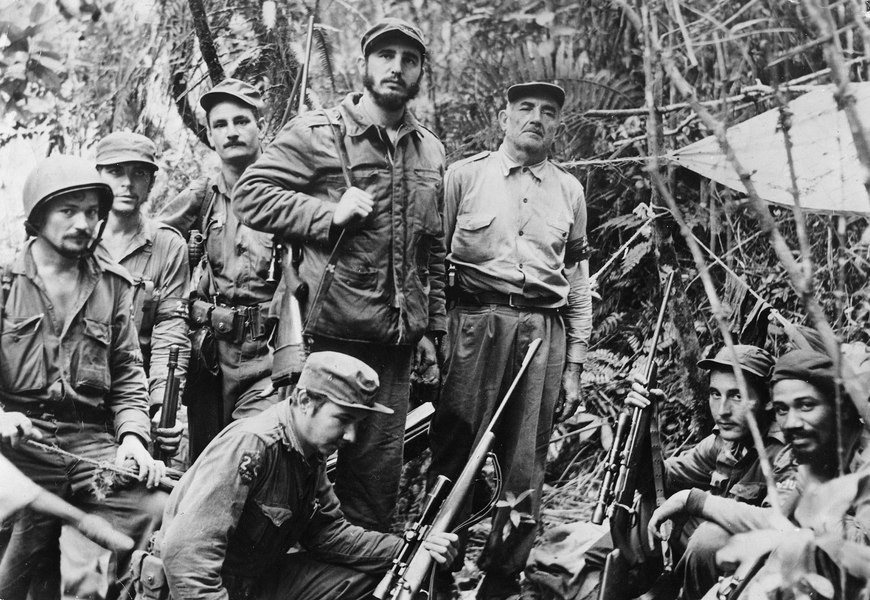
Before Professor Teodorescu from Cluj came and started the excavations that led to the unearthing of the fortress, Moș Matei had walked all over Cetățuia. He sensed that people once lived on this hill and had searched for buried treasure on its slopes; but he found none. Instead, he found many pottery shards and other 'trifles'. He showed them all to Professor Teodorescu, for whom he served as host and guide on these heights bearing ancient human settlements throughout all the summers when excavations were carried out.
DistantNews Editorial
Originally published by Adevărul in Romanian. Translated, summarized, and contextualized by our editorial team with added local perspective. Read our editorial standards.
More Stories

From Our Blog

What Gets Lost (and Found) When News Is Translated

The Critical Role of Diaspora Media in Global News

What Travellers Should Know About Countries with Restricted Press

A Digital Nomad's Guide to Following Local News

How the Same Story Looks Different in Different Countries
