


Mysterious Home Fires in Sleman Possibly Caused by Chicken Processing Waste
Translated from Indonesian, summarized and contextualized by DistantNews.
At a glance
News
Named sources
Ongoing story
- A team from Gadjah Mada University suspects hydrogen gas from chicken waste fermentation caused recurring fires at a Sleman home.
- The gas may have ignited due to the presence of phosphine gas, also linked to chicken bone and feather decomposition.
- Experts recommend improved ventilation and neutralizing the soil with lime water to prevent future incidents.
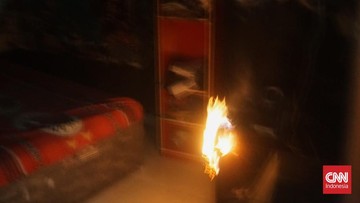
A mysterious series of fires plaguing a home in Sleman, Indonesia, may be caused by gases released from decomposing chicken waste, according to a preliminary investigation by Gadjah Mada University (UGM) experts. The fires have repeatedly erupted within the residence of Mutfiana in Seyegan.
Alva Edy Tontowi, coordinator of UGM's Entropy Slowing Study Center, stated that the fires are associated with the detection of hydrogen gas (H2) at the site. This gas is strongly suspected to originate from the fermentation process of organic waste from the family's chicken processing business. The team also noted the potential presence of phosphine gas (PH3), which is more flammable and could be formed from phosphate-rich materials like chicken bones and hard feathers.
Hydrogen gas is strongly suspected to originate from the fermentation process of organic waste from the chicken processing business.
"Phosphine gas is unfortunately not easily detected and will burn up if it meets oxygen. It is highly possible that phosphine gas triggered the ignition of hydrogen gas released simultaneously," Alva explained, adding that further investigation is needed. The UGM team is also examining liquid waste as a potential source. To mitigate the risk, they recommend maximizing ventilation in the house, installing fans, and removing flammable items. They also plan to help neutralize the soil and floor with lime water to suppress bacteria that produce hydrogen gas. The mysterious fires have occurred over eighty times in the past two weeks, even spreading to a nearby shop used by the family.
It is highly possible that phosphine gas triggered the ignition of hydrogen gas released simultaneously.
DistantNews Editorial
Originally published by CNN Indonesia in Indonesian. Translated, summarized, and contextualized by our editorial team with added local perspective. Read our editorial standards.
More Stories


From Our Blog

What Gets Lost (and Found) When News Is Translated

The Critical Role of Diaspora Media in Global News

What Travellers Should Know About Countries with Restricted Press

A Digital Nomad's Guide to Following Local News

How the Same Story Looks Different in Different Countries
