


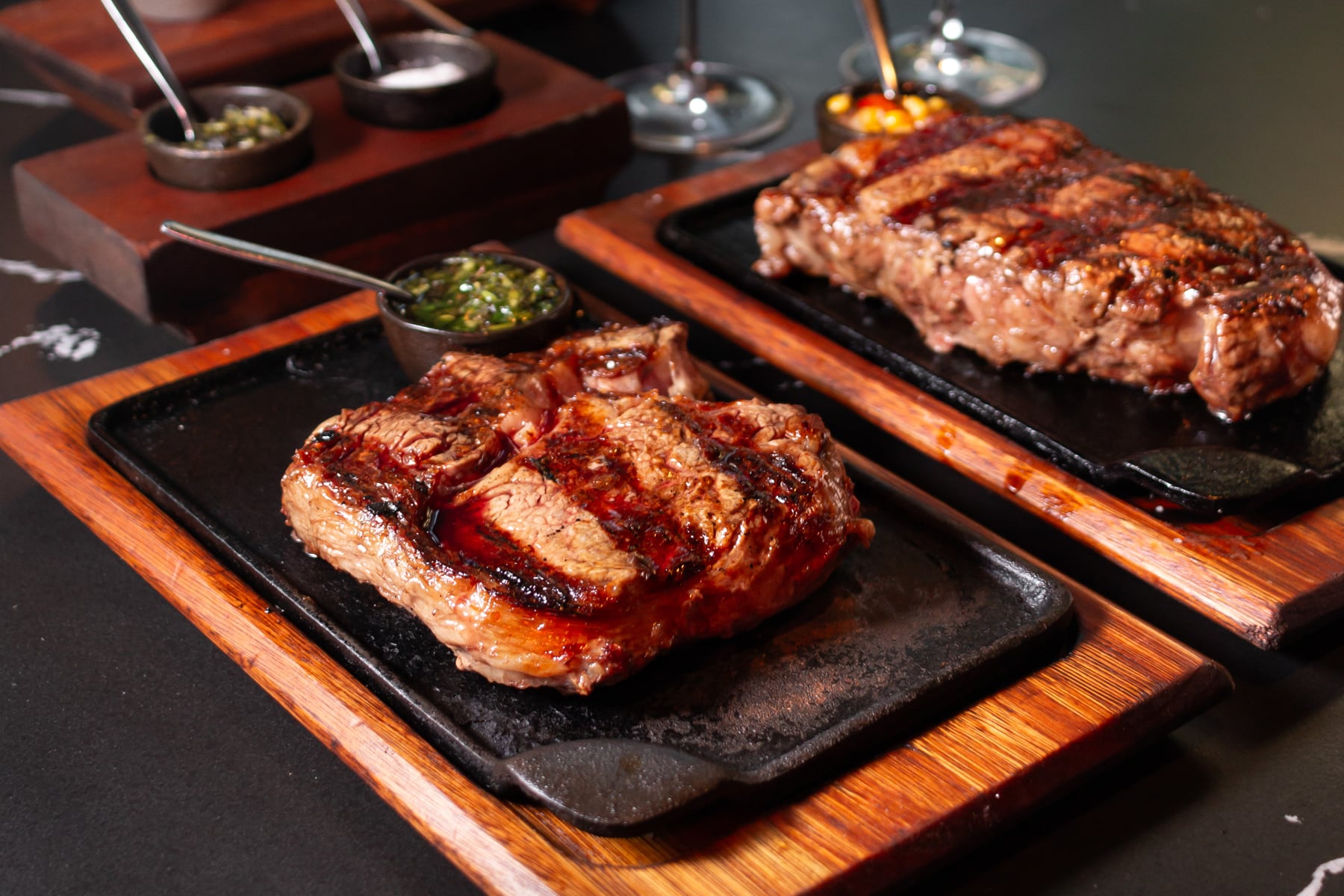
Myth busted: Animal weight doesn't always determine meat tenderness
Translated from Spanish, summarized and contextualized by DistantNews.
At a glance
Explainer
Named sources
Context piece
- The common belief that lighter animals produce more tender meat than heavier ones is not always scientifically accurate.
- Factors like breed, age, sex, and fat deposition significantly influence meat quality, including tenderness.
- While young animals generally yield more tender meat, factors such as high growth rates can make meat from heavier animals equally tender.
A widely held notion suggests that meat from lighter animals, typically weighing 350-400 kg, is inherently more tender than that from heavier animals (480-500 kg). However, scientific evidence indicates this concept is not universally true, and meat quality is influenced by a complex interplay of factors.
Breed plays a role, though advancements in crossbreeding have lessened its dominance. Early-maturing breeds (often British) differ from late-maturing breeds (continental or Indic, and their crosses). Late-maturing breeds tend to produce carcasses with 50% less fat than early-maturing ones, given the same feed. Tenderness in crossbreeds increases as the proportion of Indic breeds decreases, though tenderness is also closely linked to diet and management.
The weight of the animal itself does not directly correlate with meat tenderness, according to research by Pordomingo (2019). Studies using animals with carcass weights ranging from 320 to 500 kg found no significant differences in cutting force (tenderness). However, fat cover and the area of the ribeye increased with higher live weights. Crucially, an animal weighing 450 kg can produce meat as tender as a 330 kg animal if both experienced high growth rates (over 800 g/day), regardless of whether they were raised on pasture or in feedlots.
Age is a more direct determinant of tenderness; younger animals generally yield more tender meat with a less pronounced flavor. Meat toughness tends to increase with the animal's age. Sex also influences growth speed and fat accumulation. Females grow slower than steers, who in turn grow slower than intact males, although intact males consume more feed. Females also tend to accumulate fat more quickly than steers or intact males of the same breed.
DistantNews Editorial
Originally published by La Nación in Spanish. Translated, summarized, and contextualized by our editorial team with added local perspective. Read our editorial standards.
More Stories



From Our Blog

What Gets Lost (and Found) When News Is Translated

The Critical Role of Diaspora Media in Global News

What Travellers Should Know About Countries with Restricted Press

A Digital Nomad's Guide to Following Local News

How the Same Story Looks Different in Different Countries
