


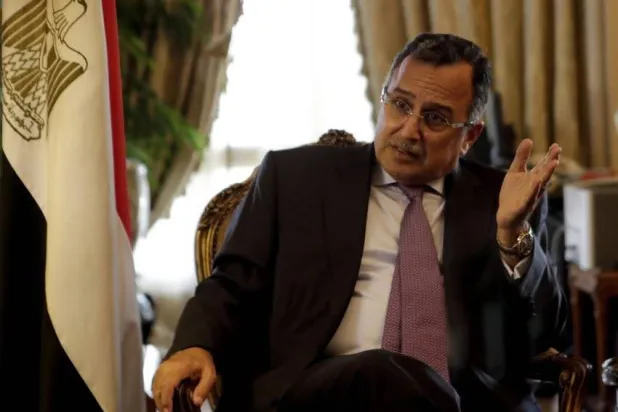
Nabil Fahmy’s Priorities at Arab League Helm: Reform and Strengthening Arab Coordination
Summarized and contextualized by DistantNews.
At a glance
News
Named sources
New plan
- Nabil Fahmy begins his five-year term as the new secretary-general of the Arab League.
- His priorities include modernizing the organization and deepening Arab consultation.
- Fahmy aims to strengthen regional cooperation to address crises and capitalize on opportunities.
Nabil Fahmy has officially begun his tenure as the new secretary-general of the Arab League, outlining a clear agenda focused on modernizing the organization's mechanisms and enhancing Arab consultation and coordination. Appointed for a five-year term starting July 1, Fahmy emphasized the need to update the League's working methods to align with rapid regional and international changes. He stressed that current challenges necessitate closer Arab coordination to confront security threats and crises, while also leveraging emerging opportunities for stability and development. Fahmy described his unanimous selection as a "historic responsibility at a sensitive and pivotal moment," acknowledging the significant challenges facing the Arab world amid fast-moving global transformations. He asserted that these conditions demand stronger collective action, the defense of Arab interests, and a renewed commitment to solidarity among member states, while upholding respect for sovereignty and territorial integrity. The Arab League, he pledged, will remain "the common home of the Arabs," serving as a vital platform for dialogue and coordination. Egyptian diplomat Mohamed Hegazy noted that Fahmy's priorities reflect a keen understanding of regional realities, stating the Arab League must evolve to add tangible value to collective Arab action. Hegazy believes deeper consultation is crucial for rebuilding confidence in the institution, especially given the shifting strategic landscape influenced by conflicts in Gaza, Sudan, Libya, and Yemen, as well as broader international changes. Fahmy succeeds Ahmed Aboul Gheit, having served as Egypt's eighth secretary-general of the League since its founding in 1945. His immediate challenge will be restoring political confidence in the Arab League as a forum for consensus, moving beyond mere meetings and communiques.
The Arab League must evolve in ways that add real value to collective Arab action.
DistantNews Editorial
Originally published by Asharq Al-Awsat. Summarized and contextualized by our editorial team with added local perspective. Read our editorial standards.
More Stories


From Our Blog

What Gets Lost (and Found) When News Is Translated

The Critical Role of Diaspora Media in Global News

What Travellers Should Know About Countries with Restricted Press

A Digital Nomad's Guide to Following Local News

How the Same Story Looks Different in Different Countries
