

NAFDAC Reaffirms Ban on Sachet Alcoholic Drinks
Translated from English, summarized and contextualized by DistantNews.
At a glance
News
Named sources
New plan
- The National Agency for Food and Drug Administration and Control (NAFDAC) has confirmed its ban on the sale of small-volume alcoholic drinks, known as sachet alcohol, remains in effect.
- The agency is actively targeting manufacturers and distributors and plans to remove remaining products from the market, prioritizing children's health and curbing antisocial behavior.
- While some consumers worry about affordability for low-income earners, NAFDAC asserts that public health considerations outweigh commercial interests, with a standard regulatory landscape expected within 12 months.
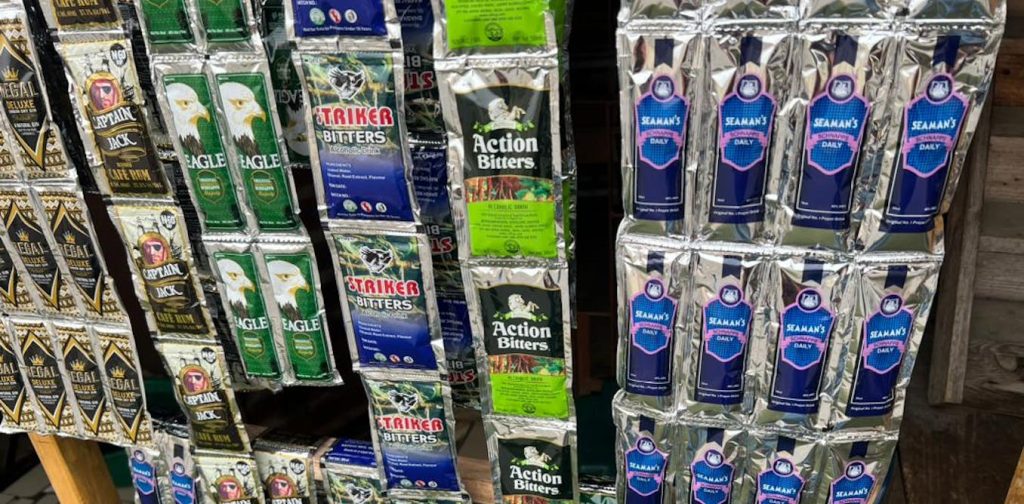
The National Agency for Food and Drug Administration and Control (NAFDAC) has reaffirmed its commitment to the ban on small-volume alcoholic drinks, commonly known as sachet alcohol, across Nigeria. Dr. Festus Ukadike, NAFDAC's Zonal Director for the South East, stated that the agency is proceeding with enforcement actions against manufacturers and distributors, with plans to subsequently clear remaining products from the market.
Ukadike emphasized that the ban is primarily driven by concerns for the health of children, aiming to protect them from unhealthy drinking habits and reduce antisocial behaviors. He believes that restricting access to sachet alcohol will contribute to healthier lives and aid the country's fight against cancer and other terminal diseases. Businesses producing alcohol are not entirely affected, as companies can still manufacture beverages in volumes of 200ml or more per bottle.
If our children are no longer exposed to sachet alcohol, they will live healthier lives, curb antisocial behaviours and promote the country’s fight against cancer and other terminal diseases.
NAFDAC has already made arrests and seizures in the South East zone, encompassing Enugu, Imo, Abia, Ebonyi, and Anambra states. Responding to concerns about affordability, particularly for low-income earners, Ukadike stated that public health considerations take precedence over commercial interests. He anticipates Nigeria will have a standardized regulatory landscape within 12 months, where no alcohol packaging will be less than 200ml.
Consumer reactions to the ban are mixed. Some welcome the initiative, citing instances of school children purchasing sachet drinks. Others express concern that the ban will make alcohol less affordable for those with limited incomes. One consumer suggested restricting sales to specialized liquor stores rather than implementing a complete ban, while another proposed limiting the ban to motor parks to prevent highway accidents. NAFDAC, however, maintains its stance, urging consumers to moderate their alcohol intake.
public health considerations outweighed commercial interests
DistantNews Editorial
Originally published by Vanguard in English. Translated, summarized, and contextualized by our editorial team with added local perspective. Read our editorial standards.
More Stories


From Our Blog

How the Same Story Looks Different in Different Countries

What Gets Lost (and Found) When News Is Translated

The Critical Role of Diaspora Media in Global News

What Travellers Should Know About Countries with Restricted Press

A Digital Nomad's Guide to Following Local News
