



Naruto Creator Masashi Kishimoto: Success Defines Genius
Translated from English, summarized and contextualized by DistantNews.
At a glance
In-depth
Named sources
Context piece
- Manga artist Masashi Kishimoto, creator of Naruto, reflected on the fine line between success and failure.
- He stated that the difference between insanity and genius is measured only by success and failure.
- Kishimoto's quote highlights how society judges risk-takers based on outcomes rather than the initial idea.
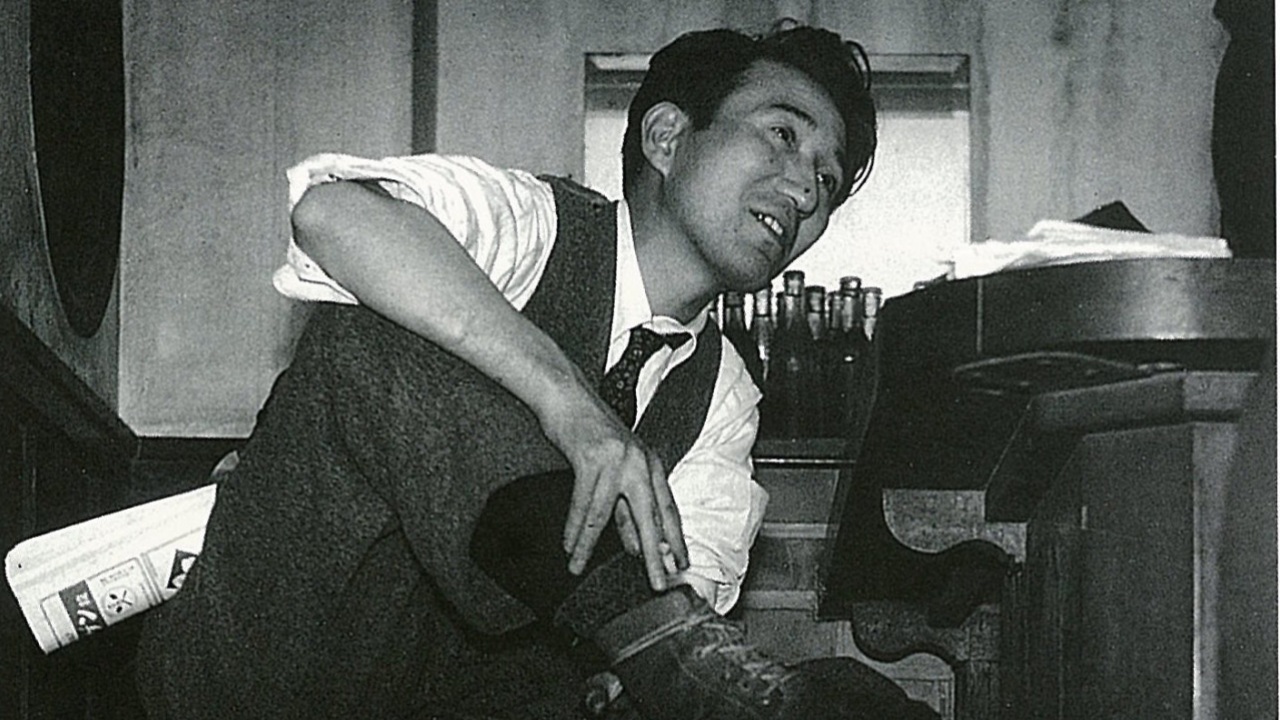
Masashi Kishimoto, the acclaimed Japanese manga artist behind the global phenomenon "Naruto," has offered a poignant observation on the nature of risk-taking and societal judgment. Reflecting on his own journey, Kishimoto noted that "The difference between insanity and genius is measured only by success and failure."
This sentiment underscores how public perception often hinges on the final result. When individuals pursue unconventional ideas, they risk being labeled as reckless or unrealistic if they fail. However, should their ventures succeed, they are frequently hailed as visionaries or geniuses. Kishimoto's words suggest that the outcome, rather than the inherent value or audacity of the idea itself, frequently dictates how society categorizes its creators.
Kishimoto's own path to success was far from straightforward. After winning the Shueisha's Hop Step Award in 1995, he spent years submitting ideas that were often rejected. The manga industry, particularly the popular "Weekly Shōnen Jump," was intensely competitive, with series facing immediate cancellation if reader surveys showed poor performance.
Despite the pressure, Kishimoto remained committed to his vision for "Naruto." He aimed for characters with complex pasts, morally ambiguous villains, and gradual plot development, eschewing simple good-versus-evil narratives. Had "Naruto" faltered early on, his approach might have been deemed unrealistic. Its immense success, however, transformed those same creative choices into celebrated strengths of the series.
This concept aligns with the psychological principle of outcome bias, where decisions are evaluated based on their results rather than the reasonableness of the decision-making process at the time. Kishimoto's perspective, rooted in his experience within Japan's demanding manga industry, offers a powerful commentary on how achievement shapes the narrative of innovation and creativity.
The difference between insanity and genius is measured only by success and failure.
DistantNews Editorial
Originally published by Times of India in English. Translated, summarized, and contextualized by our editorial team with added local perspective. Read our editorial standards.
More Stories

From Our Blog

What Press Freedom Means for the News You Read

What Gets Lost (and Found) When News Is Translated

The Critical Role of Diaspora Media in Global News

What Travellers Should Know About Countries with Restricted Press

A Digital Nomad's Guide to Following Local News
