

National exams: How learners with disabilities get extra support
Summarized and contextualized by DistantNews.
At a glance
In-depth
Sources not specified
Context piece
- Learners with disabilities in Rwanda receive extra support during national examinations.
- Special accommodations include extended time, scribes, and separate rooms.
- The goal is to ensure equitable assessment for all students.
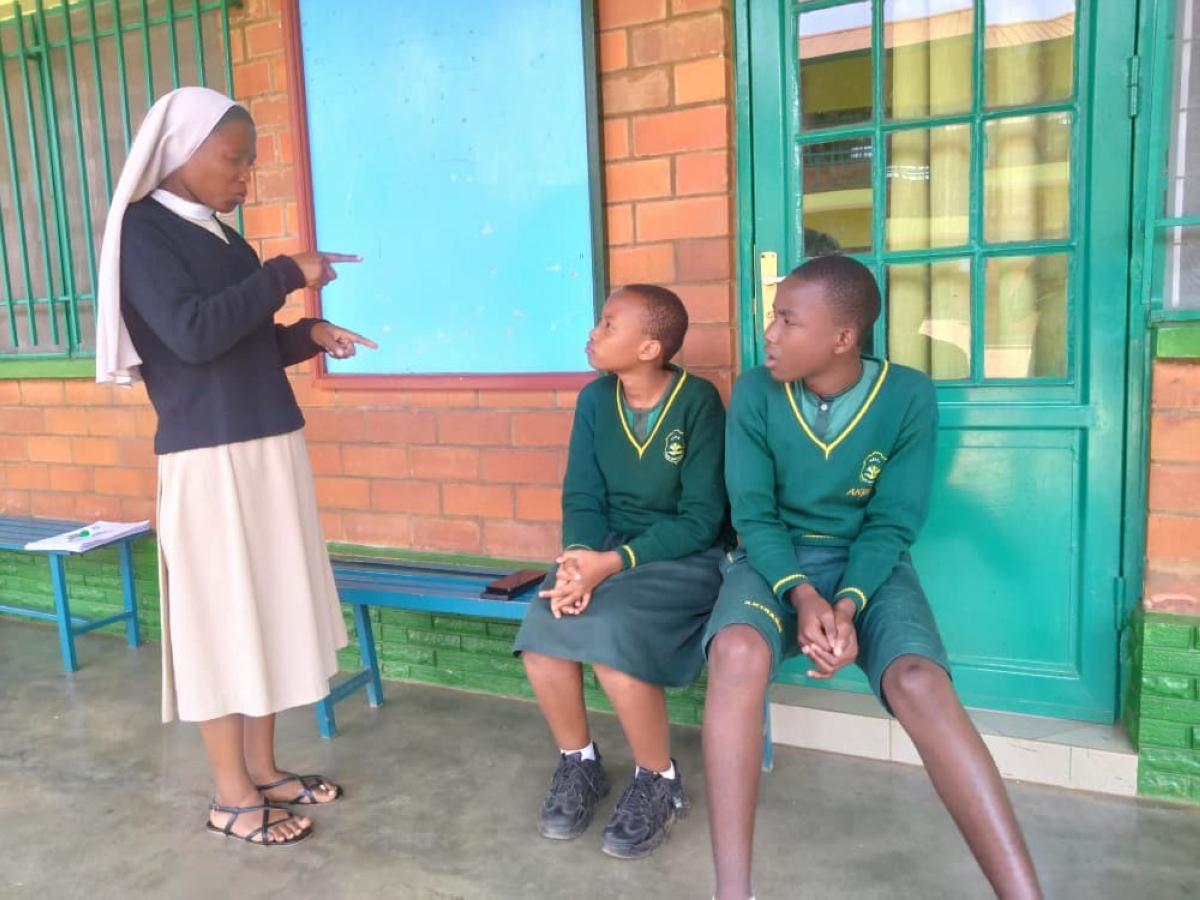
In Rwanda, students with disabilities are receiving crucial support to ensure their participation in national examinations. At G.S. Filippo Smaldone in Nyarugenge, classrooms fell silent after days of Primary Leaving Examinations (PLE) pressure. Outside, conversations continued in a language of support and understanding.
These students benefit from special accommodations designed to level the playing field. They are granted extra time to complete their papers, have access to scribes who write for them, and can take exams in separate, quieter rooms. These measures aim to mitigate the challenges posed by various disabilities, allowing students to demonstrate their knowledge effectively.
The Ministry of Education emphasizes that these provisions are essential for equitable assessment. By providing tailored support, the system seeks to ensure that all learners, regardless of their physical or cognitive abilities, have a fair chance to succeed. This commitment reflects a broader effort to create an inclusive educational environment in Rwanda, where every student's potential can be recognized and nurtured.
DistantNews Editorial
Originally published by The New Times. Summarized and contextualized by our editorial team with added local perspective. Read our editorial standards.
More Stories

From Our Blog

What Gets Lost (and Found) When News Is Translated

The Critical Role of Diaspora Media in Global News

What Travellers Should Know About Countries with Restricted Press

A Digital Nomad's Guide to Following Local News

How the Same Story Looks Different in Different Countries
