


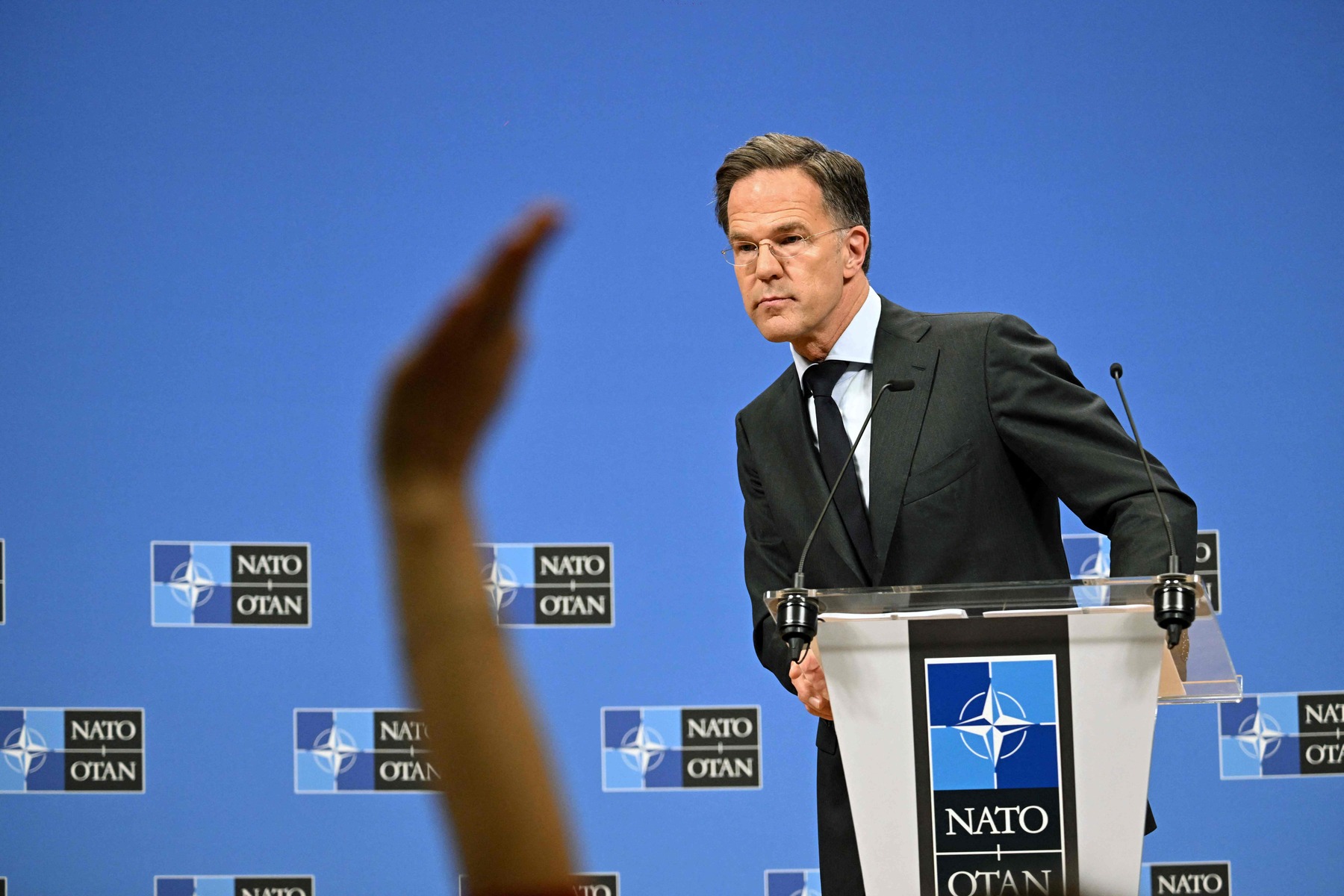
NATO Chief Stoltenberg Confirms Reduced US Military Contributions to Alliance
Translated from German, summarized and contextualized by DistantNews.
At a glance
News
Named sources
New plan
- NATO Secretary General Jens Stoltenberg confirmed the US will reduce its military capabilities committed to NATO command.
- This adjustment is based on a review of conventional force division of labor, with European allies and Canada expected to increase their contributions.
- Stoltenberg stated this is a fair redistribution of responsibility, making the alliance stronger, while the US remains committed to nuclear deterrence.
NATO Secretary General Jens Stoltenberg confirmed on Wednesday in Brussels that the United States will decrease the military capabilities it keeps on standby under NATO command for deterrence and defense. This decision follows a review of the division of labor within conventional forces, concluding that European allies and Canada are prepared and capable of taking on greater responsibilities.
Based on this assessment, the US has adjusted its commitments within the framework of the NATO Force Model, which dictates member states' contributions in terms of forces and capabilities, and their readiness. Stoltenberg emphasized that this change should not be interpreted as a US withdrawal, stating, "The United States has made it clear that they are committed to NATO." However, this commitment is accompanied by an expectation for allies to share the burden of security in Europe more equitably.
Consequently, European nations and Canada will need to increase their contributions in the conventional military domain. The US, however, intends to continue reliably providing nuclear deterrence. Stoltenberg described the shift as "fair" and stated it makes the alliance stronger. He noted that historically, there has been an over-reliance on the United States. Now, with the US adjusting its contributions and other allies increasing theirs, the responsibility is being shared more evenly.
While Stoltenberg did not provide specific details, reports suggest that the US plans to remove long-range reconnaissance drones and eight KC-46 tanker aircraft entirely from NATO planning. Significant reductions are also expected in contributions of fighter jets, MQ-9 armed drones, cruiser and destroyer units, an aircraft carrier strike group, and a long-range bomber unit. Stoltenberg also commented on the alliance's reliance on the US, noting it's "somewhat strange" to still require so much help from a country eight flight hours away to defend against a nation with a significantly smaller population.
DistantNews Editorial
Originally published by Die Presse in German. Translated, summarized, and contextualized by our editorial team with added local perspective. Read our editorial standards.
More Stories


From Our Blog

What Gets Lost (and Found) When News Is Translated

The Critical Role of Diaspora Media in Global News

What Travellers Should Know About Countries with Restricted Press

A Digital Nomad's Guide to Following Local News

How the Same Story Looks Different in Different Countries
