

NATO plans to expand nuclear deterrence in Europe amid Russian threats
Translated from German, summarized and contextualized by DistantNews.
At a glance
News
From a news agency
Ongoing story
- NATO is developing plans to enhance its nuclear deterrence capabilities in Europe due to threats from Russia.
- The plans may include the deployment of additional U.S. nuclear weapons, with potential new stationing sites being considered.
- NATO Secretary General Mark Rutte confirmed the alliance is assessing its needs and will make adjustments to its nuclear posture.
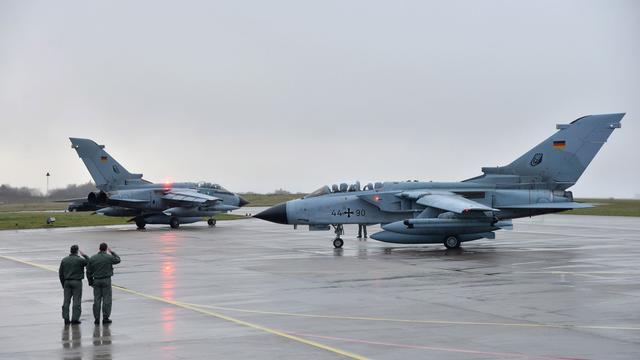
NATO is actively developing plans to bolster its nuclear deterrence in Europe amid escalating threats from Russia. Research indicates that stationing additional U.S. nuclear weapons on the continent is a potential component of these strategies. Experts suggest that the U.S. may have already transferred B61-12 bombs to the Lakenheath air base in the UK. Should the security situation further deteriorate, countries like Poland, Finland, and Lithuania could emerge as new potential deployment locations. The focus of these planning efforts is primarily on non-strategic nuclear weapons, designed for tactical use against military targets. Following significant arms reductions after the Cold War, estimates suggest around 100 U.S. B61-12 bombs were previously stored across six NATO air bases in Europe and Turkey. NATO Secretary General Mark Rutte acknowledged that the alliance is continuously evaluating its required capabilities and nuclear mix. He stated that NATO will adapt its posture as necessary to ensure it can respond to any nuclear attack. Rutte previously indicated that these considerations extend beyond mere modernization of existing systems, emphasizing the need to adjust NATO's nuclear stance in response to a worsening security environment.
Where ever we need to make adjustments, we will do so. We must ensure that no one can attack us with nuclear weapons without us being able to respond.
DistantNews Editorial
Originally published by Die Zeit in German. Translated, summarized, and contextualized by our editorial team with added local perspective. Read our editorial standards.
More Stories

From Our Blog

What Gets Lost (and Found) When News Is Translated

How the Same Story Looks Different in Different Countries

The Critical Role of Diaspora Media in Global News

What Travellers Should Know About Countries with Restricted Press

A Digital Nomad's Guide to Following Local News
