


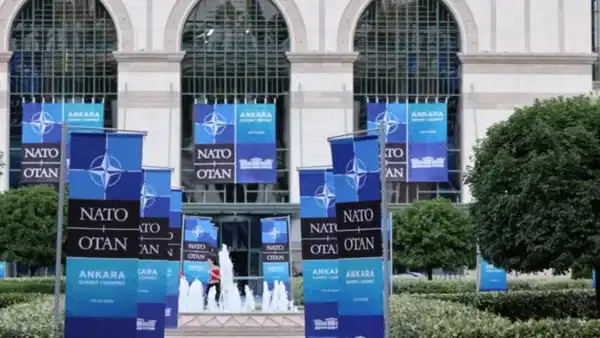
NATO's unresolved issues in Ankara
Translated from Turkish, summarized and contextualized by DistantNews.
At a glance
News
Named sources
Context piece
- Disagreements persist between the United States and European nations within NATO, according to various officials interviewed on the second day of the summit.
- These ongoing differences highlight the challenges NATO faces in maintaining unity and addressing strategic priorities.
- The summit's second day focused on discussions aimed at navigating these complex transatlantic relations and finding common ground.
Disagreements between the United States and European members of NATO continue to surface, according to officials speaking on the second day of the summit in Ankara. These ongoing divergences underscore the persistent challenges within the alliance as it grapples with evolving global security landscapes.
Sources indicate that the core of the friction lies in differing strategic outlooks and priorities between Washington and several European capitals. While the specifics of these disagreements were not fully detailed, they appear to touch upon key issues facing the alliance, including burden-sharing, responses to regional threats, and the future direction of NATO's military and political strategies.
The summit's agenda has been heavily focused on addressing these internal rifts. Discussions among various officials aimed to bridge these divides and foster a more cohesive approach to collective security. The presence of these unresolved issues suggests that achieving full consensus on critical matters remains a significant hurdle for the alliance.
As the summit progresses, the ability of NATO members to reconcile their differing viewpoints will be crucial in determining the alliance's effectiveness in addressing contemporary security challenges. The ongoing dialogue in Ankara reflects a critical juncture for NATO, where navigating these complex transatlantic relations is paramount to its future cohesion and operational capacity.
DistantNews Editorial
Originally published by Cumhuriyet in Turkish. Translated, summarized, and contextualized by our editorial team with added local perspective. Read our editorial standards.
More Stories
From Our Blog

What Gets Lost (and Found) When News Is Translated

The Critical Role of Diaspora Media in Global News

What Travellers Should Know About Countries with Restricted Press

A Digital Nomad's Guide to Following Local News

How the Same Story Looks Different in Different Countries
