

NATO stress after incidents with Russian drones and missiles in Romania and Poland. A desperate Putin could make a risky move
Translated from Romanian, summarized and contextualized by DistantNews.
At a glance
Analysis
Named sources
Ongoing story
- U.S. intelligence agencies assess that Russian President Vladimir Putin may attempt limited attacks on NATO countries within the next few years, potentially testing the alliance's response.
- These scenarios include cyberattacks or small-scale ground invasions, driven by Putin's increasing difficulties in the war in Ukraine and domestic pressures.
- Recent incidents, such as Russian drones entering Romanian airspace and missiles being downed in Poland, are seen as potential tests of NATO's readiness.
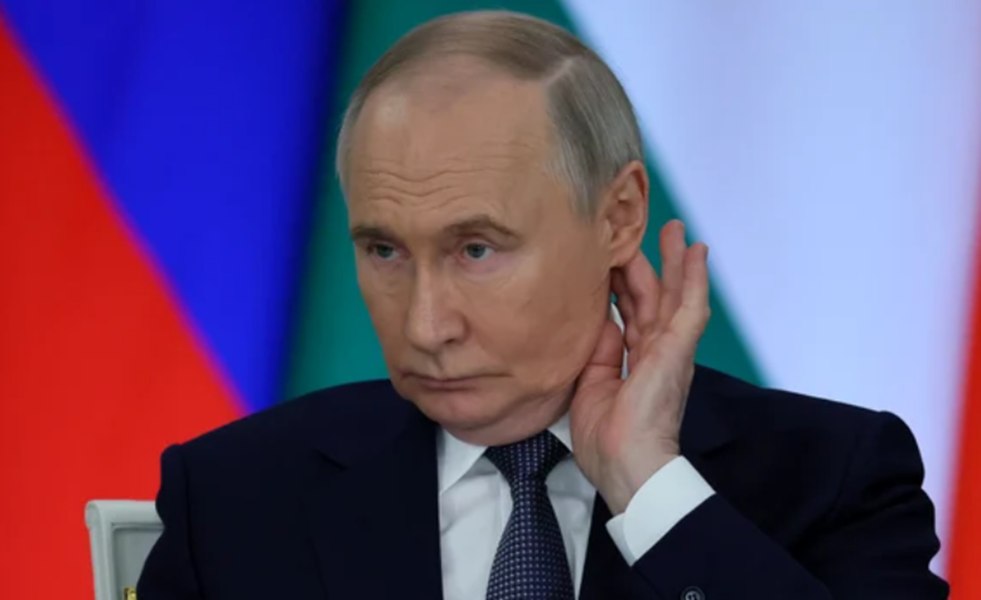
U.S. intelligence agencies are evaluating the possibility that Russian President Vladimir Putin might attempt limited attacks against NATO member states in the coming years, potentially to gauge the alliance's willingness to respond. Scenarios under consideration include cyberattacks or minor ground incursions, according to an analysis cited by The Wall Street Journal.
This assessment marks a revision of earlier predictions that Putin would avoid provoking NATO while Russia's war in Ukraine continued. However, U.S. officials now believe the situation has shifted, particularly since early 2026. Putin faces mounting challenges in Ukraine, including slow advances and significant troop losses, coupled with increasing pressure to demonstrate victory domestically. Simultaneously, Ukrainian drones are intensifying attacks on Russian military installations and oil infrastructure.
The unknown factor is how the United States would react to such a scenario.
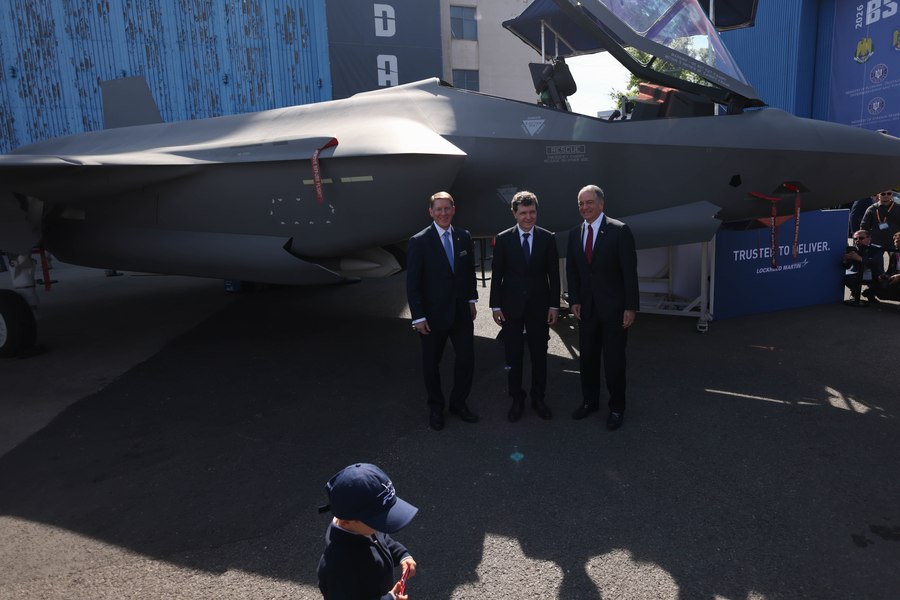
In this context, the United States and its European allies are closely monitoring Russian actions that could be interpreted as tests of NATO's preparedness. Recent events, such as Russian cruise missiles being shot down over Poland and drones entering Romanian airspace in May, are viewed through this lens. U.S. officials suggest that if Russia were to attack a NATO country during the ongoing war, Putin's objective could be to sow division within the alliance and test the resolve of the United States and its European partners.
"The unknown factor is how the United States would react to such a scenario," stated Heather Conley, a senior fellow at the American Enterprise Institute. She added that undermining confidence in NATO and creating a rift between the U.S. and its allies "has always been Russia's objective." U.S. intelligence is now assessing whether Moscow might escalate aggressive actions against European allies, fearing that Putin could become more unpredictable when cornered by the difficulties of the Ukraine war. Compounding these concerns, U.S. officials have warned about shortages of critical munitions needed for a potential conflict with Russia or China, with stocks significantly depleted by aid to Ukraine and U.S. involvement in other conflicts.
undermining confidence in NATO and creating a rift between the U.S. and its allies has always been Russia's objective.
DistantNews Editorial
Originally published by Adevărul in Romanian. Translated, summarized, and contextualized by our editorial team with added local perspective. Read our editorial standards.
More Stories


From Our Blog

What Gets Lost (and Found) When News Is Translated

The Critical Role of Diaspora Media in Global News

What Travellers Should Know About Countries with Restricted Press

A Digital Nomad's Guide to Following Local News

How the Same Story Looks Different in Different Countries
