


NATO summit offers Ukraine institutional support but limited immediate aid
Translated from English, summarized and contextualized by DistantNews.
At a glance
News
Sources not specified
Context piece
- Ukraine's successful long-range strikes before the NATO summit altered the narrative of the Russia-Ukraine war, aiming to show capability and reassure Western partners.
- The NATO summit adopted a more institutionalized approach to Ukraine, but a U.S. proposal for licensed Patriot missile production in Ukraine was seen as a long-term industrial partnership, not an immediate solution.
- The summit reaffirmed Ukraine's dilemma of political assurances without binding security guarantees, and the declaration's framing of Russia as a threat appeared to reflect European pressure more than a U.S. priority shift.
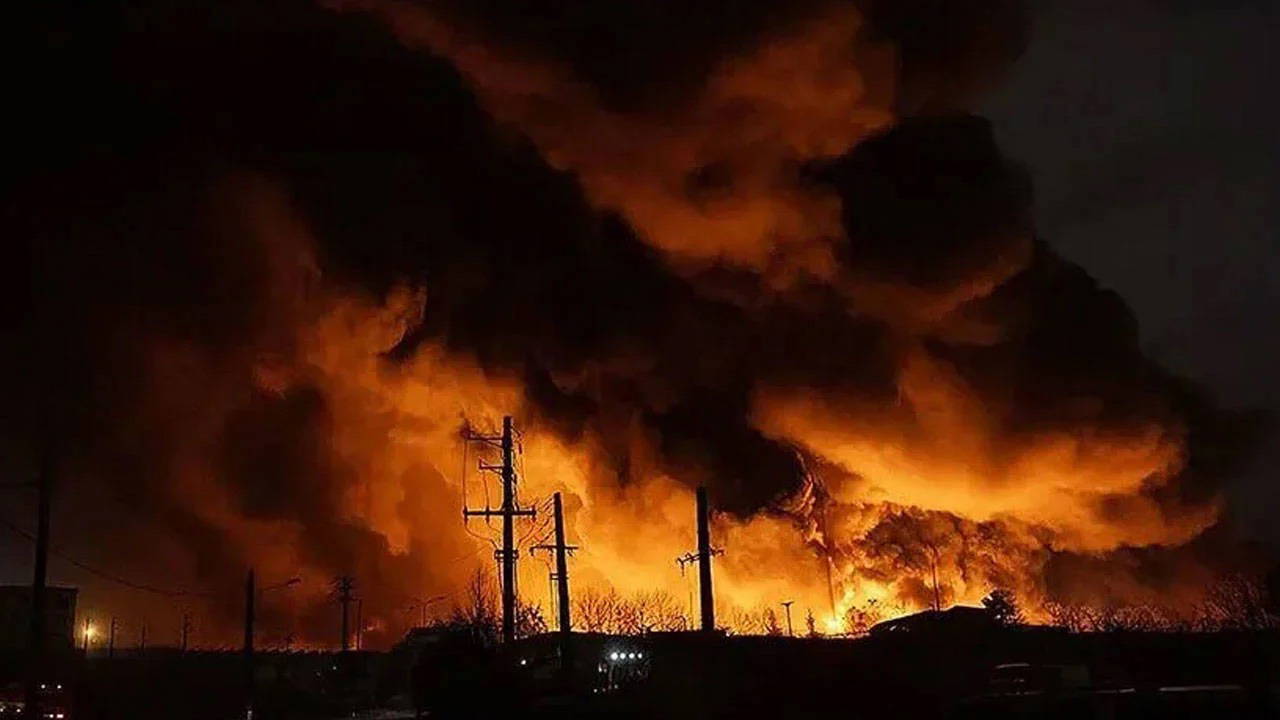
Ukraine's successful long-range strikes deep inside Russian territory in the days leading up to the NATO summit significantly shifted the strategic narrative of the Russia-Ukraine war. These operations targeted Russia's energy infrastructure and aimed to counter the growing perception of Ukrainian military exhaustion, demonstrating Kyiv's continued capability to sustain the fight and reassuring Western allies of its importance in containing Russia.
Without Ukraine, the West has no credible force capable of containing Russia.
The Ankara Summit Declaration adopted a more institutionalized approach toward Ukraine, emphasizing its contribution to trans-Atlantic security and reaffirming allied support. However, a notable development was U.S. President Donald Trump's proposal for licensed production of Patriot missile systems within Ukraine. This initiative, envisioned as a long-term industrial partnership utilizing domestic funding, was criticized by Russian commentators as offering little immediate relief for Ukraine's air defense needs while transferring significant risks to Kyiv.
Washington had responded to Ukraine’s urgent air defense needs by offering little more than a production license while transferring virtually all financial and operational risks to Kyiv.
Trump's remarks on security guarantees underscored a cautious U.S. approach, reminding audiences of the geographical distance and signaling an unwillingness to extend NATO Article 5-type commitments to Ukraine. This reaffirmed Ukraine's long-standing dilemma since the 1994 Budapest Memorandum: receiving political assurances without legally binding security guarantees.
Ukraine is separated from the United States by oceans
The declaration's characterization of Russia as a "long-term threat to Euro-Atlantic security" also drew attention. Analysts observed that this wording likely reflected European pressure rather than a genuine shift in Washington's priorities, as the Trump administration's own security strategy did not classify Russia as the principal threat. The White House appeared willing to accept such language without assuming additional deterrence obligations.
long-term threat to Euro-Atlantic security
DistantNews Editorial
Originally published by Daily Sabah in English. Translated, summarized, and contextualized by our editorial team with added local perspective. Read our editorial standards.
More Stories

From Our Blog

What Gets Lost (and Found) When News Is Translated

The Critical Role of Diaspora Media in Global News

What Travellers Should Know About Countries with Restricted Press

A Digital Nomad's Guide to Following Local News

How the Same Story Looks Different in Different Countries
