

US Strikes Iranian Bridges After Trump's Infrastructure Threat; One Civilian Dead
Translated from Turkish, summarized and contextualized by DistantNews.
At a glance
News
Sources not specified
Ongoing story
- Two bridges in Iran's Hormozgan province were hit by an airstrike, killing one civilian driver.
- The attack followed U.S. President Donald Trump's threats to target Iranian infrastructure, including power plants and bridges.
- Iran had previously warned of retaliation if its infrastructure was attacked.
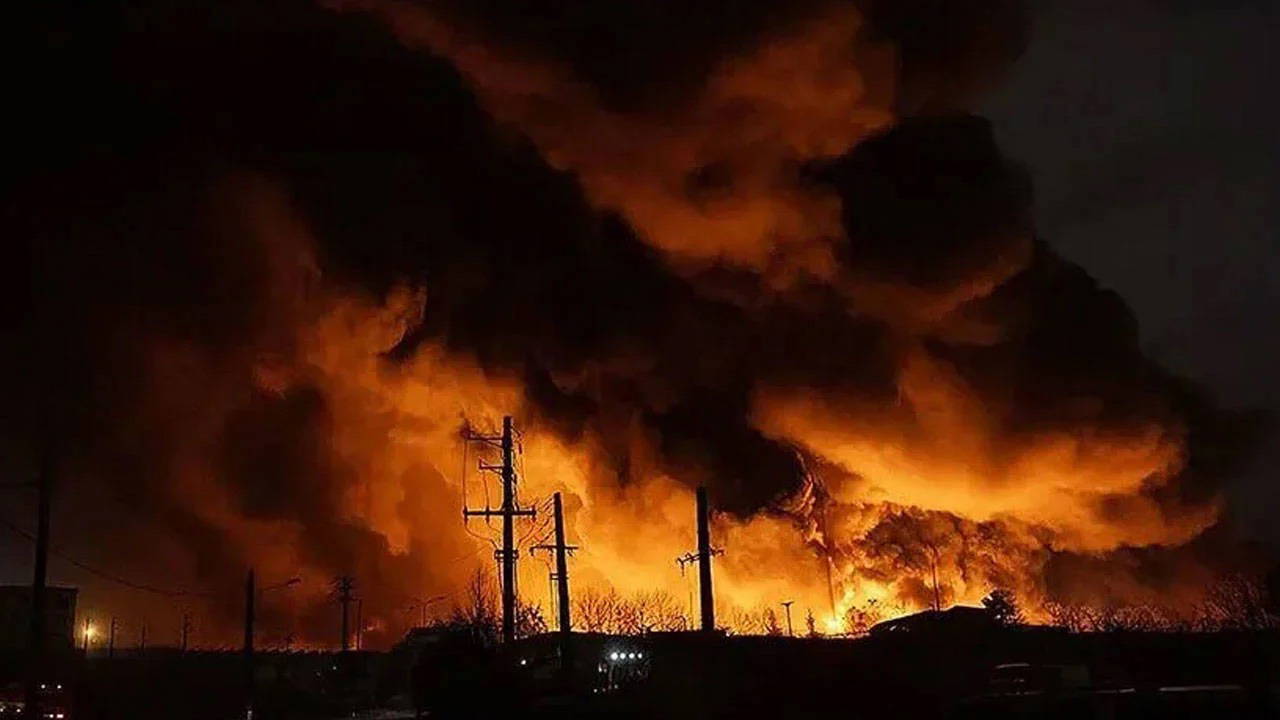
An airstrike targeted two bridges in the Bender Hamir region of Iran's Hormozgan province, resulting in the death of a civilian driver on one of the structures, according to Iranian state television. No official statement has been released by either party regarding the military actions.
The strike occurred shortly after U.S. President Donald Trump issued a stern warning against Iran, threatening to target its infrastructure. Trump stated that the U.S. would strike Iranian energy targets and, in the following week, would severely impact power plants and bridges if Iran did not return to negotiations.
We will leave the energy targets for last, but we will hit them eventually. We will hit them very hard tonight, tomorrow night, and the next night. Next week will be much worse for them. Because next week, it will be the turn of power plants and bridges. If they do not sit at the negotiating table, we will disable all their power plants and bridges.
Iranian media reported that following the strikes on the two bridges, the U.S. also attacked a railway connection station in Bender Abbas. This escalation follows previous warnings from Iran's military. Brigadier General Abolfazl Shikar-chi, spokesperson for the Iranian General Staff, had previously stated that if Iran's infrastructure were attacked, all infrastructure facilities in the region would become targets for retaliation.
If an attack is launched against Iran's infrastructure, all infrastructure facilities in the region will be targeted.
DistantNews Editorial
Originally published by Cumhuriyet in Turkish. Translated, summarized, and contextualized by our editorial team with added local perspective. Read our editorial standards.
More Stories

From Our Blog

What Gets Lost (and Found) When News Is Translated

The Critical Role of Diaspora Media in Global News

What Travellers Should Know About Countries with Restricted Press

A Digital Nomad's Guide to Following Local News

How the Same Story Looks Different in Different Countries
