


Navy will build hybrid warships instead of replacing ageing destroyers
Summarized and contextualized by DistantNews.
At a glance
News
Named sources
New plan
- The UK Navy will build at least six new "hybrid" warships equipped for drone deployment instead of replacing aging destroyers with new Type 83 vessels.
- These new Common Combat Vessels are designed for modern warfare, offering greater reach and resilience by coordinating uncrewed systems.
- The decision comes amidst fraught budget negotiations for the defense investment plan, with previous defense secretaries resigning over funding disagreements.
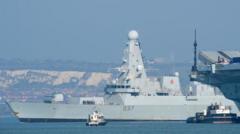
The United Kingdom's Royal Navy is shifting its strategy from replacing aging destroyers with new Type 83 vessels to building at least six modern "hybrid" warships. These new vessels, designated as Common Combat Vessels, will be equipped to deploy drones and coordinate uncrewed systems across air, surface, and underwater domains. The Ministry of Defence (MoD) stated these ships are better suited to the demands of modern warfare and represent a more prudent investment than a limited number of expensive, large vessels.
the new vessels would be more suited to the "pace and nature of modern warfare", and a better investment than a "small number of large expensive ships".
Defence Secretary Dan Jarvis emphasized that the new equipment will be designed to counter increasing threats. The decision aligns with the upcoming defense investment plan (DIP), which outgoing Prime Minister Sir Keir Starmer is committed to publishing before the NATO summit on July 7. The MoD believes these hybrid vessels will extend the Navy's operational reach, resilience, and firepower without a proportional increase in crew or costs.
the new equipment would be "designed and built for the increasing threats we face".
The change in approach follows extensive budget negotiations that have been marked by significant internal disagreements. The DIP's funding has been a point of contention, leading to the resignations of former Defence Secretary John Healey and armed forces minister Al Carns. Both cited insufficient Treasury funding to address military capability gaps and keep pace with modern warfare advancements. Healey specifically criticized Starmer's administration for being "unable" and the Treasury "unwilling" to commit the necessary resources.
coordinating uncrewed systems in the air, on the surface and under the sea to deliver more resilient air defence
Despite these challenges, the MoD announced that £500 million will be allocated to equip the UK's elite Commando Force with new boats and advanced drone technology as part of the DIP. Jarvis, who took over as Defence Secretary after Healey's resignation, has reportedly secured additional funding for the plan. The new maritime capability is described as a "once in a generation investment" intended to support British shipyards and bolster operations against Russian activity, protect underwater infrastructure, and enhance NATO deterrence.
extend "the Navy's reach, resilience and firepower without a proportional increase in crew or cost".
DistantNews Editorial
Originally published by BBC News. Summarized and contextualized by our editorial team with added local perspective. Read our editorial standards.
More Stories


From Our Blog

What Gets Lost (and Found) When News Is Translated

The Critical Role of Diaspora Media in Global News

What Travellers Should Know About Countries with Restricted Press

A Digital Nomad's Guide to Following Local News

How the Same Story Looks Different in Different Countries
